The AI Health Race: What ChatGPT, Claude, and OpenEvidence Mean for Arizona Patients and Clinicians
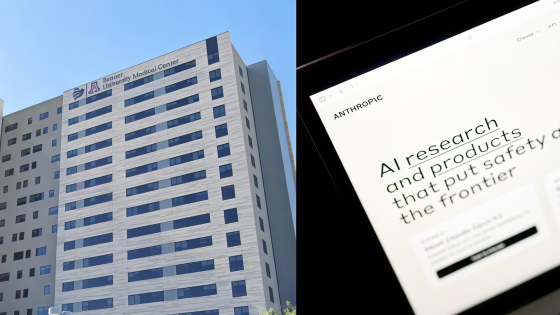
What if the AI tool you asked about your chest pain told you to wait 48 hours when you were actually in the early stages of heart failure? That is not a hypothetical. It happened in 52% of emergency cases tested in a 2026 Nature Medicine study of ChatGPT Health. Large language models (LLMs) are rapidly reshaping healthcare, powering everything from clinical decision support tools to patient-facing chatbots. Arizona health systems are already deploying these tools, for example, Banner Health, one of Arizona's largest health systems, has integrated Anthropic's Claude into its operations. Broadly, their applications in healthcare fall into two user categories: B2B (business to business), where LLMs provide decision and admin support for healthcare systems, and B2C (business to consumer), where they deliver personalized insights and support patients outside of the doctor’s office. Understanding where the different LLMs fall in this distinction and their individual offerings is key to grasping how AI is transforming both the business and human sides of healthcare in Arizona.