
Missy Feldman
Missy Feldman is Arizona Ascent’s Lifestyle Editor, blending her passion for organization and wellness with a focus on intentional living. A professional organizer and member of NAPO and NAPO Arizona, she has five years of experience helping people create calm, functional spaces. Originally from New Jersey and now based in Phoenix, Missy holds a Communications degree from Ramapo College.
The real problem usually isn’t the mess — it’s the constant negotiation happening around it
By Missy Feldman, Home and Lifestyle Editor
By May in Arizona, the house starts telling the truth.
Not all at once. Quietly.
A cabinet door you avoid opening because everything falls out. The kitchen counter that somehow collects backpacks, mail, chargers, and half-finished tasks by noon. The pile of things you keep moving from room to room because there’s never time to fully deal with it.
None of these feel important individually.
That’s why they’re easy to ignore.
But inside Arizona homes, especially as temperatures rise and families begin spending more time indoors, these small friction points compound fast. What looks like clutter is often something else entirely: accumulated decision fatigue.
And by summer, many households are already carrying too much of it.
Most people think home organization is about aesthetics. Perfect pantries. Matching bins. Social-media-ready spaces.
That’s rarely the real issue.
The real issue is cognitive load.
Every unfinished surface, overcrowded drawer, or dysfunctional space creates a tiny interruption in the brain. One more decision. One more visual reminder. One more unresolved task competing for attention.
Individually, those moments seem harmless.
Repeated hundreds of times a week, they quietly drain energy from a household.
Arizona amplifies that problem.
Once extreme heat arrives, people retreat indoors for months at a time. Homes stop functioning as transitional spaces and start functioning as full ecosystems — workplaces, classrooms, recovery spaces, gathering spaces, and shelters from 115-degree afternoons.
Which means whatever isn’t working inside the home becomes impossible to avoid.
The families who navigate Arizona summers best are rarely the ones with the most perfect homes. They’re the ones whose spaces reduce friction instead of creating more of it.
That shift usually starts smaller than people expect.
Not with overhauls. With pattern recognition.
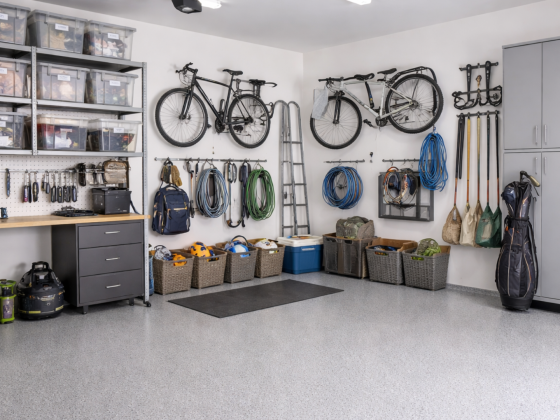
The keys dropped in the same place every day without a designated landing space. The garage that became storage overflow instead of functional storage. The closet filled with things that no longer reflect the life being lived now.
The problem isn’t the objects themselves.
It’s the constant negotiation they create.
And that negotiation becomes exhausting over time.
Especially in Arizona, where people can spend entire weekends indoors by July, the emotional atmosphere of a home matters more than most realize. Clutter becomes more than visual. It becomes environmental.
The most effective organizing systems are rarely the most elaborate. They’re the systems designed around real behavior instead of aspirational behavior.
Because a home works best when it supports the way people actually live.
Not the way they think they’re supposed to live.
That philosophy is driving a growing shift among Arizona homeowners toward functional organization systems designed to reduce stress, simplify routines, and create calmer living environments before summer fully settles in.
For companies like No Mess with Missy, the work is less about creating picture-perfect homes and more about helping families remove the hidden friction that quietly shapes everyday life.
Because by the time summer arrives in Arizona, people aren’t just managing heat.
They’re managing the environments they have to live inside every single day
.