For a decade, Moonshot has been hauling opportunity into the places everyone else drove past. Now the rest of the world is finally paying attention.
By Jennifer Conrad , Editor -in- Chief
The founder is nervous. You can see it in the way she keeps smoothing the front of her jacket, checking her notes one more time even though she has had them memorized for a week. In a few minutes she is going to stand up in front of a panel of judges and pitch the business she has been quietly building out of her garage for three years—the one her husband still calls “your little project.”
The room is a repurposed community hall in a small Arizona town, a pitch session hosted by Moonshot. Folding chairs. There is, against all odds, a genuine shot at something.
Inside the building, a team of coaches and judges has spent the morning running workshops, fielding questions, and doing one-on-one sessions with founders who drove in from surrounding communities—some of them an hour or more in each direction.
This is what Scott Hathcock, Moonshot’s President and CEO, calls “the traveling ecosystem.” Across Arizona, in towns like this one, the same scene is playing out.
The Long Drive Nobody Should Have to Make
Before Moonshot came along, getting entrepreneurship support in rural Arizona meant one thing: leaving. You drove to Flagstaff. You drove to Phoenix. You drove to wherever the resources happened to be, and you hoped the time away from your business, your family, your land, was worth it. For many people, it wasn’t. The resources stayed where they were. The founders stayed where they were, and the gap quietly widened.
Hathcock has spent nine years trying to close it. When he took over what was then the Northern Arizona Technology & Business Incubator in 2016, he inherited an organization running a $584,000 operating deficit and serving a handful of communities within driving distance of Flagstaff. He also inherited a conviction; that entrepreneurial talent does not stop at the city limits.
“We’ve always believed that entrepreneurial talent exists everywhere,” he says. “But access to resources does not.” So he built the resources a set of wheels.
Twenty Towns, One Season
The Rural Arizona Pitch Competition & Tour is in its seventh season, and in 2025 alone, the program served 147 unique businesses across 64 Arizona zip codes spanning 97 industries, from agribusiness to manufacturing to tech. Economists estimate those interactions generated between $30 and $35 million in economic impact. Between 333 and 441 jobs were supported as a result.
The 2026 tour launched April 2 in Prescott. By October 24, when the State Finals come to Phoenix, it will have passed through 20 communities.
In each one, the model is the same: a full day of workshops, expert panels, coaching sessions, and competitive pitching with real prize money. The resources do not wait for founders to come to them.
The Woman With the Jacket
Back in the community hall, the founder steadies herself and walks to the front of the room. Her name does not appear in the Moonshot press materials. She is one of 147, one data point in a larger story. But she is also the reason the story matters. She has a product she believes in, a market she has been quietly studying, and a pitch she has refined through three rounds of morning coaching sessions with a Moonshot advisor who flew in the night before. What she does not have, and has never had, is a room like this one. She takes a breath. She starts talking.
What Winning Actually Took
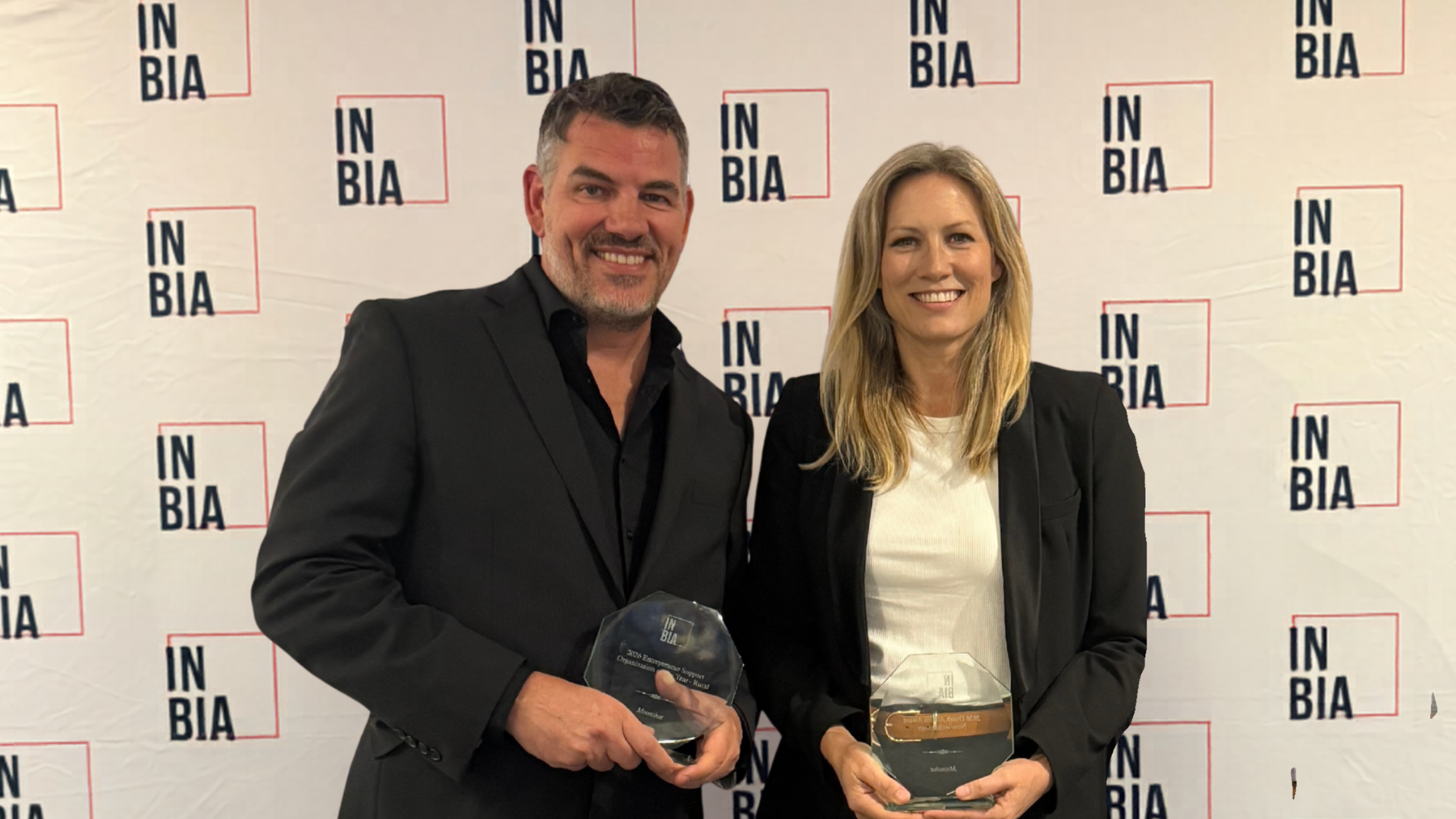
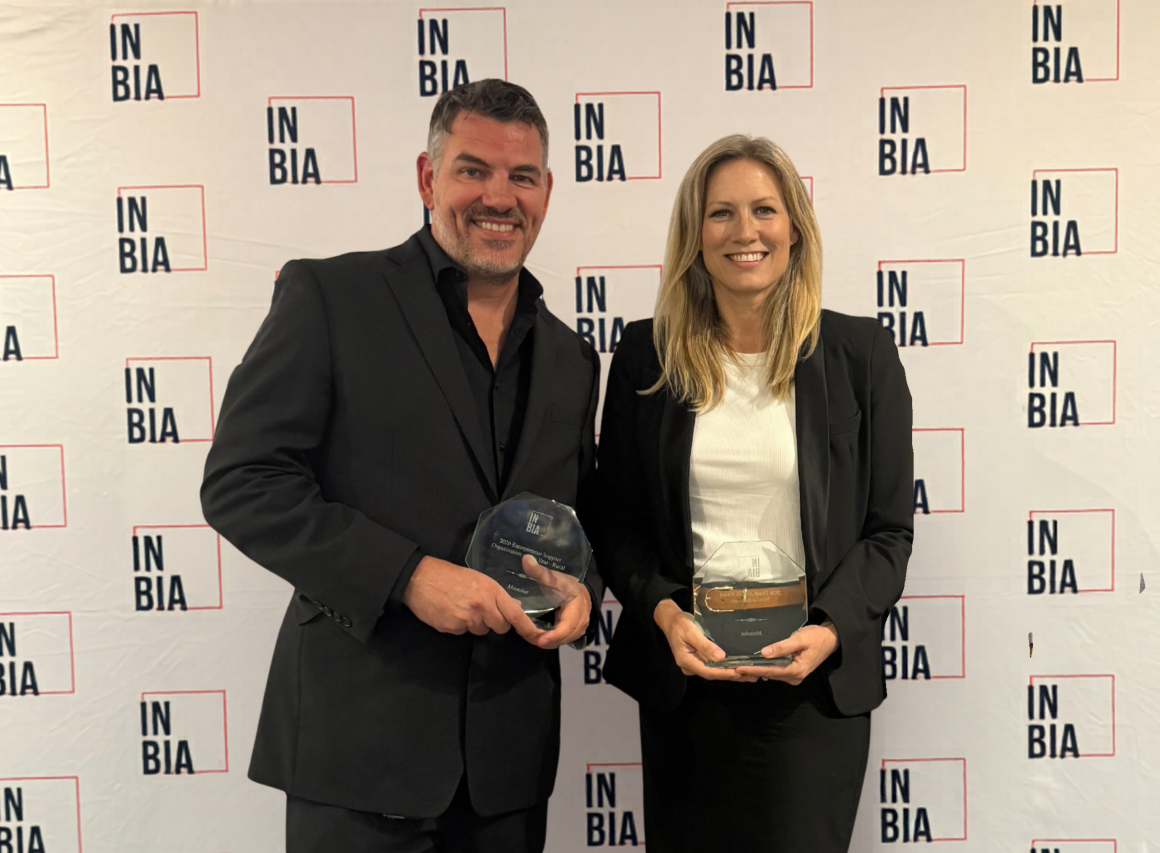
In April 2026, the International Business Innovation Association named Moonshot its Rural Entrepreneur Support Organization of the Year at the ICBI40 conference in Chicago. The award landed in the organization’s 40th anniversary year. It is the kind of recognition that suggests arrival. The reality was reconstruction.
When Hathcock took over in 2016, the immediate problem was survival. He restructured operations, rebuilt the grant pipeline. which now runs at an 85 percent success rate. He grew corporate sponsorship from near zero to more than $184,000 annually. The organization was renamed Moonshot. The deficit became a surplus. The three communities became twenty.
But the real work was not financial. It was cultural. Moonshot had to convince rural Arizona that it was serious. that it would keep showing up, year after year, even when turnout was modest and the roads were long. That consistency, more than any single program, is what built trust.
“What sets these organizations apart,” InBIA CEO Charles Ross said in presenting the award, “is not just what they do, but how intentionally they do it.”
The Infrastructure Behind the Tour
The pitch tour is the front door. The real system is what happens after. Constellations, a peer networking platform, now connects more than 250 founders across the state. Founder Fundamentals offers a self-paced curriculum that entrepreneurs can work through on their own time—critical in communities where leaving the business for a weekend workshop is not an option. Moonshot Academy is a 16-module investment-readiness certification designed to put rural founders in the same room as investors on equal footing.
Then there is AZ Stitch Lab, a workforce development program in the industrial sewing sector that has processed 520 applicants—a reminder that Moonshot’s mission has always been bigger than entrepreneurship in the startup sense. It is about economic dignity for people who have historically been invisible
All of it is anchored by a 38,000-square-foot incubator and accelerator campus in Flagstaff, operated under contract with the City of Flagstaff.
The Honor Belongs Somewhere Else
Kiersten Hathcock, Moonshot’s Chief Marketing Officer, has a habit of deflecting credit. Ask her about the award and she will talk about the communities. Ask her about the tour and she will talk about the founders.
It is a reflex—but it does not feel practiced.
“This recognition is a reflection of what rural Arizona entrepreneurs are capable of,” she says, “when someone shows up and invests in them.”That is the sentence that stays with you.Not the $35 million economic impact figure. Not the 64 zip codes. Not the national award. Someone shows up.
Back in the community hall, the pitch is over. The judges are conferring. The founder is standing near the back of the room, jacket still on, holding a cup of that bad coffee.
She does not know yet whether she won.
But she got to pitch. In her town. On her terms. To people who drove here specifically to hear her. And in towns like this across Arizona, it’s happening again and again.
Follow The Tour
That moment is just one stop on a much larger journey. The 2026 Rural Arizona Pitch Tour runs through October 24, with stops in 20 communities statewide.Schedule and registration: www.moonshotazpitch.com

Jennifer Conrad is the Founder, CEO, and Editor-in-Chief of Arizona Ascent, a media platform more than a magazine—uniting business, real estate, and community across Arizona. She builds brands and content that people remember, turning storytelling into strategy—and strategy into measurable impact.
Under her leadership, Arizona Ascent spotlights the leaders shaping Arizona’s future, positioning their work within the state’s broader momentum. Its stories don’t just inform—they elevate credibility, expand visibility, and connect leaders to the ecosystem that makes growth possible.