
Jennifer Conrad is the Founder, CEO, and Editor-in-Chief of Arizona Ascent, a media platform more than a magazine—uniting business, real estate, and community across Arizona. She builds brands and content that people remember, turning storytelling into strategy—and strategy into measurable impact.
Under her leadership, Arizona Ascent spotlights the leaders shaping Arizona’s future, positioning their work within the state’s broader momentum. Its stories don’t just inform—they elevate credibility, expand visibility, and connect leaders to the ecosystem that makes growth possible.
How Moonshot is rewriting what’s possible for rural Arizona founders
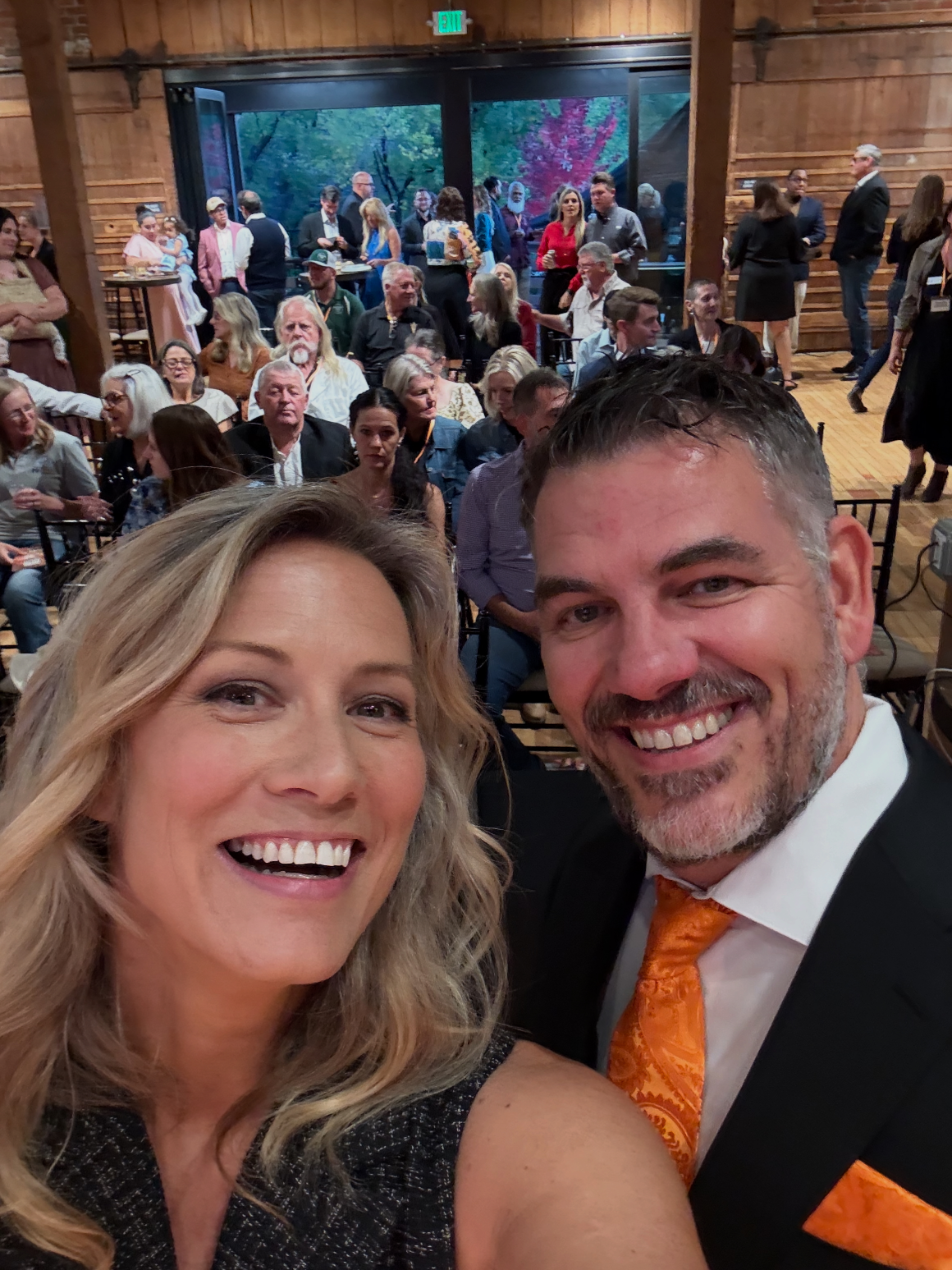
In Arizona, opportunity has long been concentrated in a few places, and absent in many others. Scott Hathcock saw it firsthand. Working in sales and business development for a Flagstaff-based design studio, he noticed a pattern he couldn’t ignore. Phoenix clients were surprised the work was coming from Northern Arizona. Local businesses, meanwhile, assumed the opposite—that serious work required Phoenix proximity.
The message, on both sides, was clear: where you lived determined what was possible. “Why does where you live determine whether your dream gets a fair shot?” Scott asked.
The question didn’t have an immediate answer. But it stayed. Flagstaff, he realized, was an exception. For decades, the city had invested in entrepreneurship—embedding resources into its economic development strategy. But beyond it, the landscape shifted quickly. In many rural communities, access to mentors, capital, and structured support simply didn’t exist.
The gap wasn’t subtle. It was systemic. And it was solvable.
The Investor Who Showed Up Late

Kiersten Hathcock’s path to Moonshot was shaped by a different kind of gap—one defined by timing, access, and who chooses to show up. She built a children’s furniture company from the ground up, eventually earning a deal on Shark Tank. It was the kind of moment founders are told will change everything.
It didn’t. The deal fell through. The momentum stalled. What followed was a period familiar to many founders—progress without backing, visibility without support. A year later, an investor saw her episode on Hulu and reached out. The terms were better. The belief was real. And the trajectory of the company changed.
That experience of being seen too late, but just in time became foundational. Today, Kiersten meets founders across Arizona who have been waiting for that same moment. Not for lack of ability, but for lack of access. “The moment someone realizes their idea is worth pursuing and that they don’t have to leave their community to do it—that’s everything,” she says.

They Called It a Competition. It Was Infrastructure.
Each year, Moonshot shows up in communities across Arizona—Prescott, Sierra Vista, and towns with populations under 5,000—bringing what appears, at first glance, to be a pitch competition. There are judges. There are prizes. There is structure. But the format is only the entry point.
What happens inside the room is something else entirely. Founders receive real-time feedback from experienced operators. They leave with connections to legal, financial, and operational support. In many cases, it’s the first time anyone outside their immediate circle has engaged seriously with their business.
“We call it a dolphin tank,” Scott says. “The goal isn’t to tear founders down. It’s to move them forward.” Winning is not the point. Access is. In 2026, Moonshot will bring its Rural Arizona Pitch Finals to downtown Phoenix—an intentional shift designed to challenge another perception gap: that meaningful deal flow only exists within major metro areas.
Pin Drop Travel Trailers — Miami, Arizona
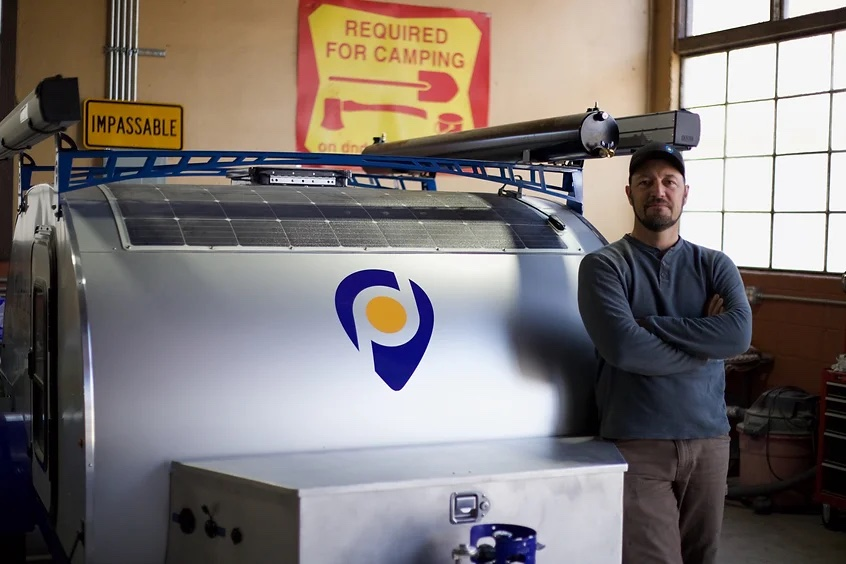
Tim and Ruth Ellen Elinski didn’t set out to build a company. They set out to solve a problem. Unable to find a camper that met their needs, Tim built one himself—working against a deadline, in a workshop, with no guarantee it would work. It did. What emerged became Pin Drop Travel Trailers: a handcrafted, design-forward micro camper built for durability and detail.
The company chose to stay in Miami, Arizona. A historic mining town, and invested there. A 120-year-old building was restored into a production facility. Jobs were created locally. Growth stayed rooted in place. Seven years later, every trailer is still built by hand. Every unit still ships from Miami.
The business didn’t relocate to scale. It scaled where it started.
Not Charity. Strategy.
In 2025, Moonshot worked with 147 businesses across 64 zip codes and 18 communities throughout Arizona generating an estimated $30 to $35 million in economic impact. But the numbers only tell part of the story. “You can’t build a resilient state economy around two or three cities,” Scott says. “When you support founders in rural communities, that impact stays local. It compounds.”
Kiersten points to something less measurable, but just as important. “When one person builds something successful in a small town, it changes what others believe is possible,” she says. “That shift doesn’t stay contained to one business. It moves through the community.”
A Different Map of Opportunity
Moonshot’s long-term vision is practical and expansive. Scott points to infrastructure: ensuring every Arizona community has access to the same level of entrepreneurial support found in Flagstaff, Phoenix, and Tucson. Kiersten points to perception: a future where “rural” is no longer shorthand for limitation.
“Ten years from now, I want investors actively looking to rural Arizona for deal flow,” she says. “Not as an exception, as a standard.” Because the question that started it all still applies. What happens when geography no longer determines opportunity? Across Arizona, that answer is already taking shape.