
Jennifer Conrad is the Founder, CEO, and Editor-in-Chief of Arizona Ascent, a media platform more than a magazine—uniting business, real estate, and community across Arizona. She builds brands and content that people remember, turning storytelling into strategy—and strategy into measurable impact.
Under her leadership, Arizona Ascent spotlights the leaders shaping Arizona’s future, positioning their work within the state’s broader momentum. Its stories don’t just inform—they elevate credibility, expand visibility, and connect leaders to the ecosystem that makes growth possible.
Two Arizona founders are giving nurses their time back — and quietly transforming the future of care.
A Shift Interrupted
Maria, a nurse at an Arizona assisted living facility, lifts a tray and spins around as a call light flashes. Across the hall, a resident’s voice drifts over the quiet hum of the heating system: “Can you help me?” Her tablet buzzes. Emails ping. Individually, these interruptions seem minor. By the end of her shift, they’ve stolen hours — time Maria wanted to spend comforting, listening, and connecting.
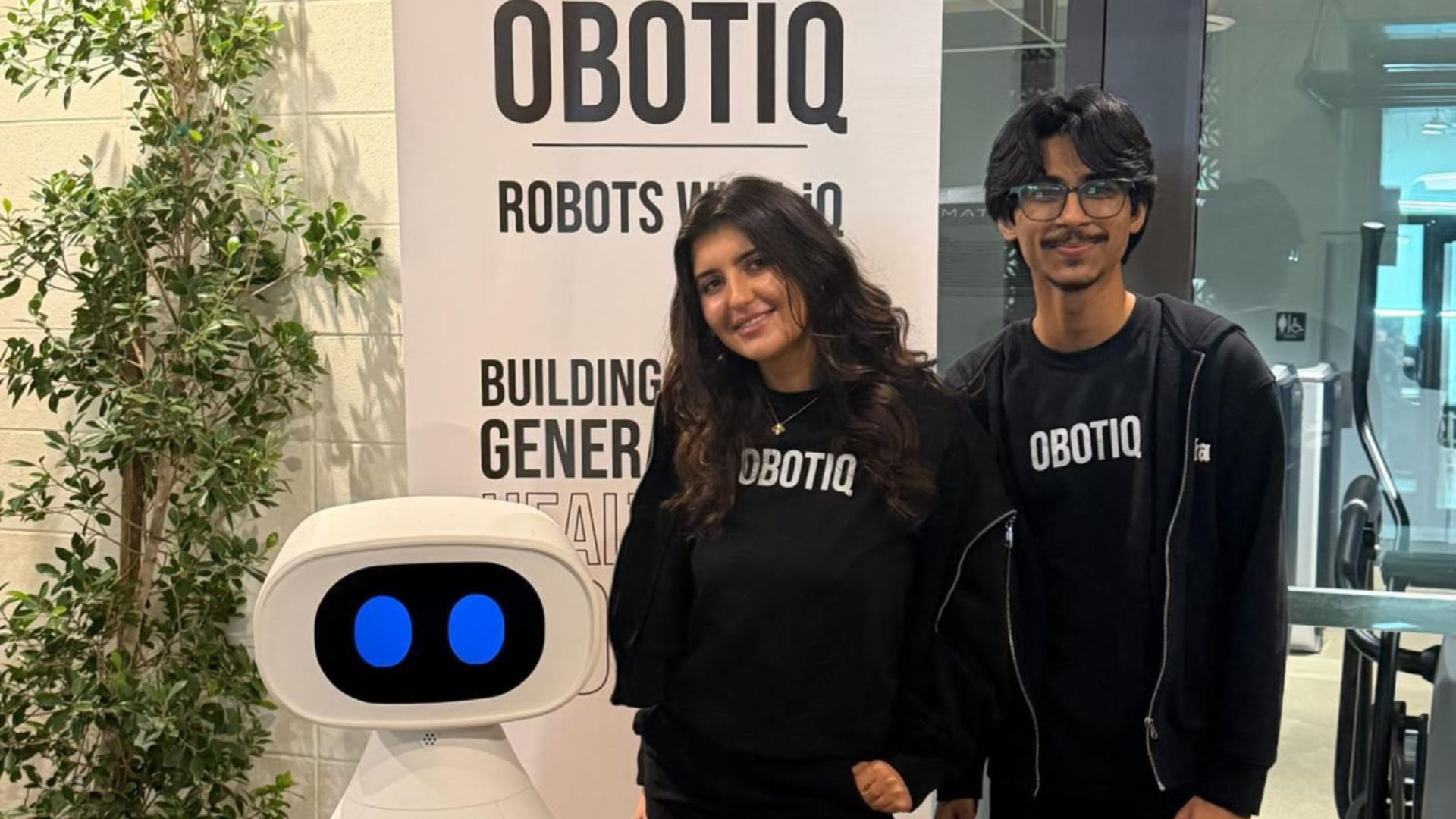
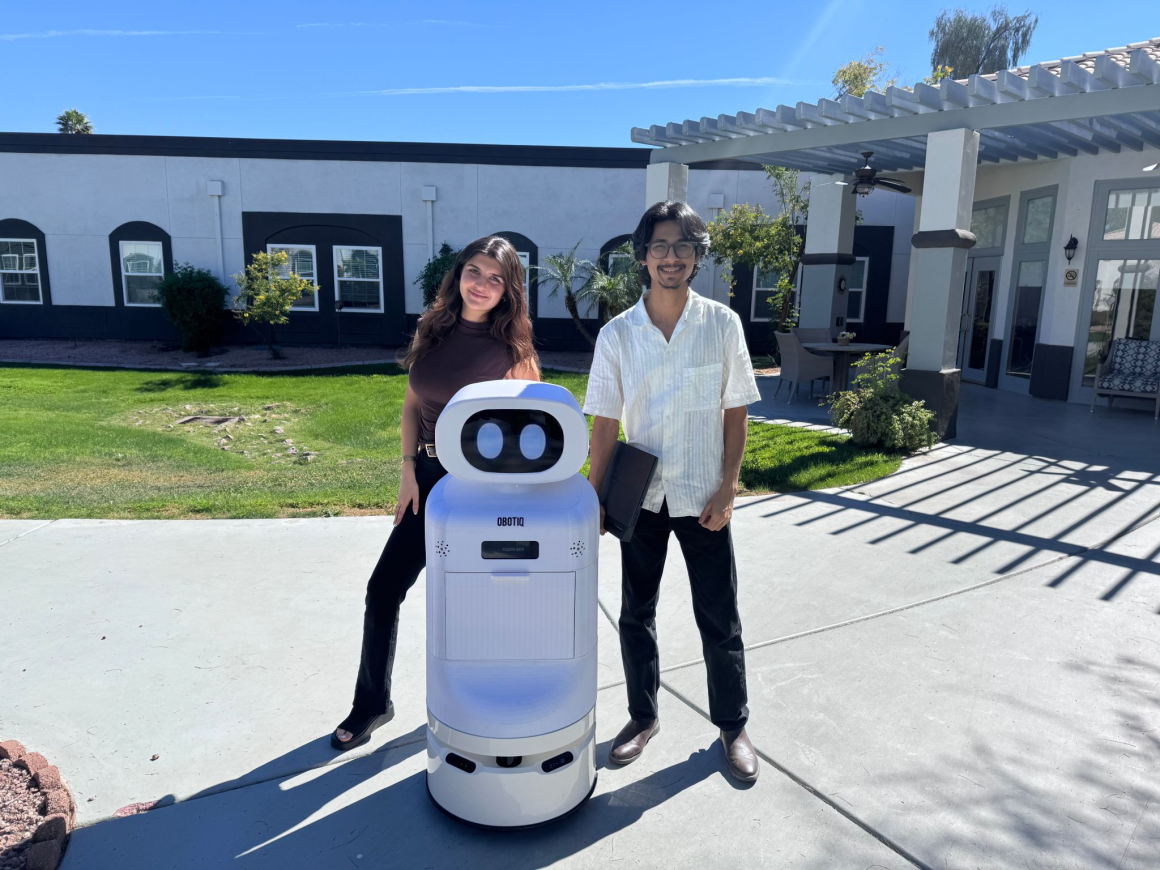
It’s a crisis hidden in plain sight. And it’s what drew Nisarg Jadav and Natalie Levi into action.
Their answer? Obotiq, a startup at the crossroads of robotics and artificial intelligence. While these technologies have transformed industries like manufacturing and retail, healthcare has lagged — leaving caregivers trapped in repetitive, low-value tasks.
“Healthcare, despite being one of the most critical sectors, has relatively limited real-world integration,” Jadav explains. “Highly trained caregivers spend a significant portion of their time on tasks that don’t require their expertise.”
The Small Problems That Add Up
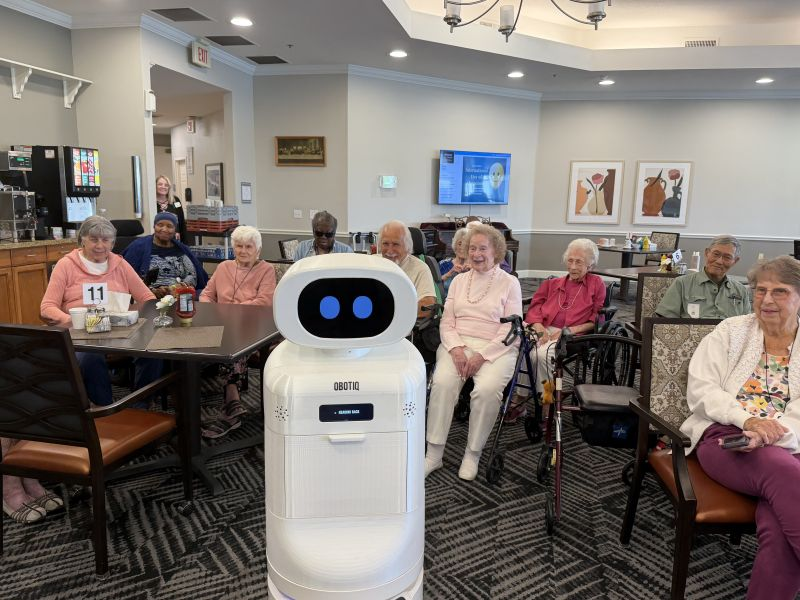
Staffing shortages and burnout dominate headlines. But Jadav and Levi dug deeper. They shadowed nurses, observed quiet hallways, and asked blunt questions: What slows you down? What keeps you from the residents who need you most?
The answer wasn’t a single problem. It was hundreds of small ones. Routine check-ins. Day-to-day coordination. Minor interruptions. Each alone seems trivial. Together, they quietly sap efficiency, morale, and patient care.
“It’s not one major issue,” Levi says. “It’s hundreds of small inefficiencies that add up, pulling caregivers away from the work they actually trained to do.”
Every feature of Obotiq reflects this insight. Nothing was assumed; everything was built from observing real care in action.
“A big part of Obotiq is built from directly listening to nurses and caregivers,” Jadav notes. “Their pain points, their workflows, and what slows them down mid-shift.”
From Lab to Living Room
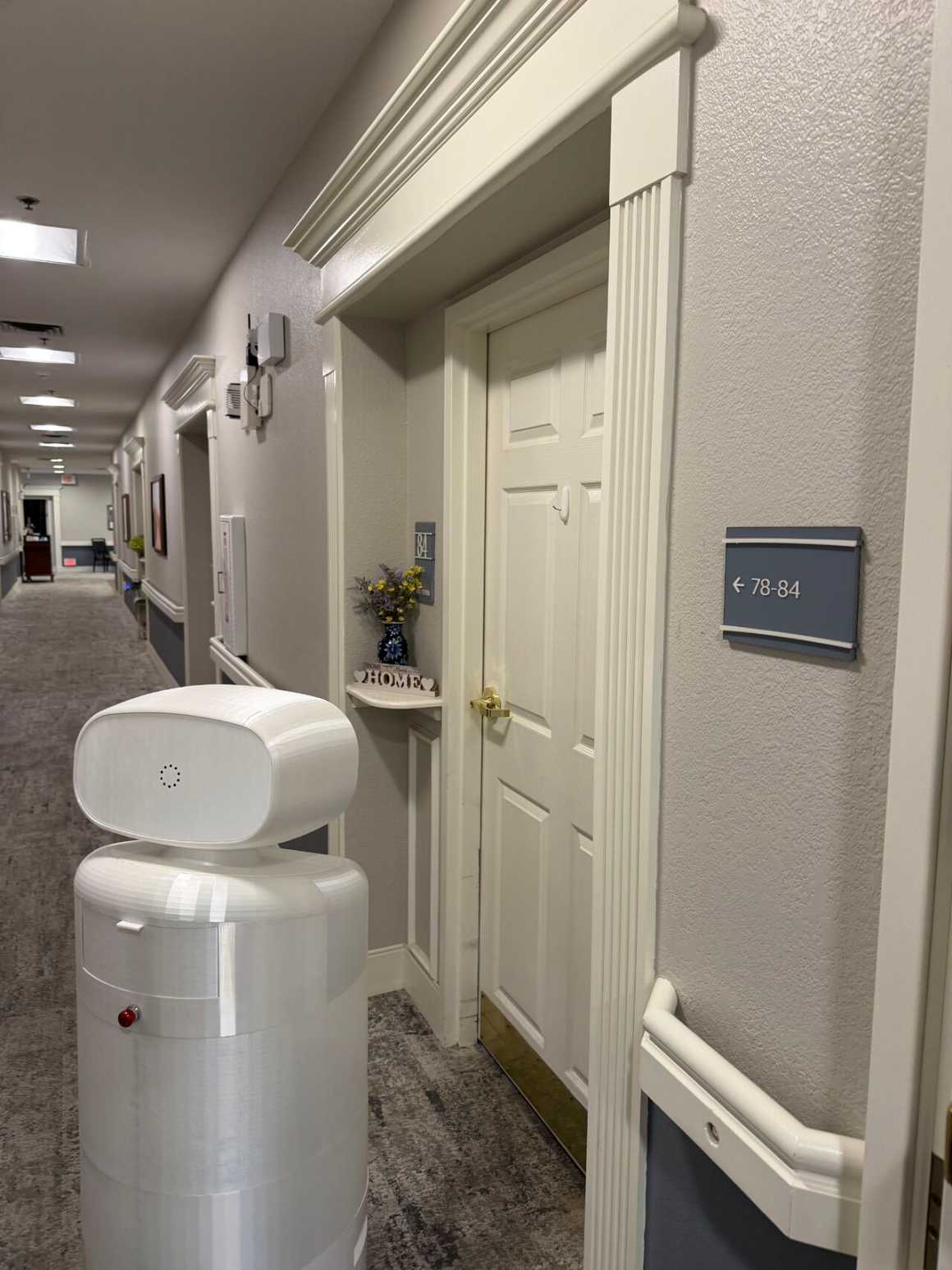
The challenge wasn’t building a robot that could move. It was building one that could live in a care facility. Assisted living is dynamic and unpredictable. Every resident has a unique rhythm. Every caregiver has theirs. No two days unfold the same way.
Obotiq’s breakthrough came on the floor. The team adapted the technology to caregivers, rather than asking staff to adapt to it. Constant iteration, testing, and a willingness to discard elegant ideas that failed in practice became their mantra.
“Instead of forcing staff to adapt to new technology, we focus on shaping the system around how care is already delivered,” Jadav says.
The payoff came in quiet moments: a nurse weaving the robot seamlessly into a routine, a caregiver trusting it without thinking, a resident enjoying consistency even when staff are busy.
“That transition from something new to something relied on — that’s where the real breakthrough happens,” Jadav reflects.
Robots With a Human Touch
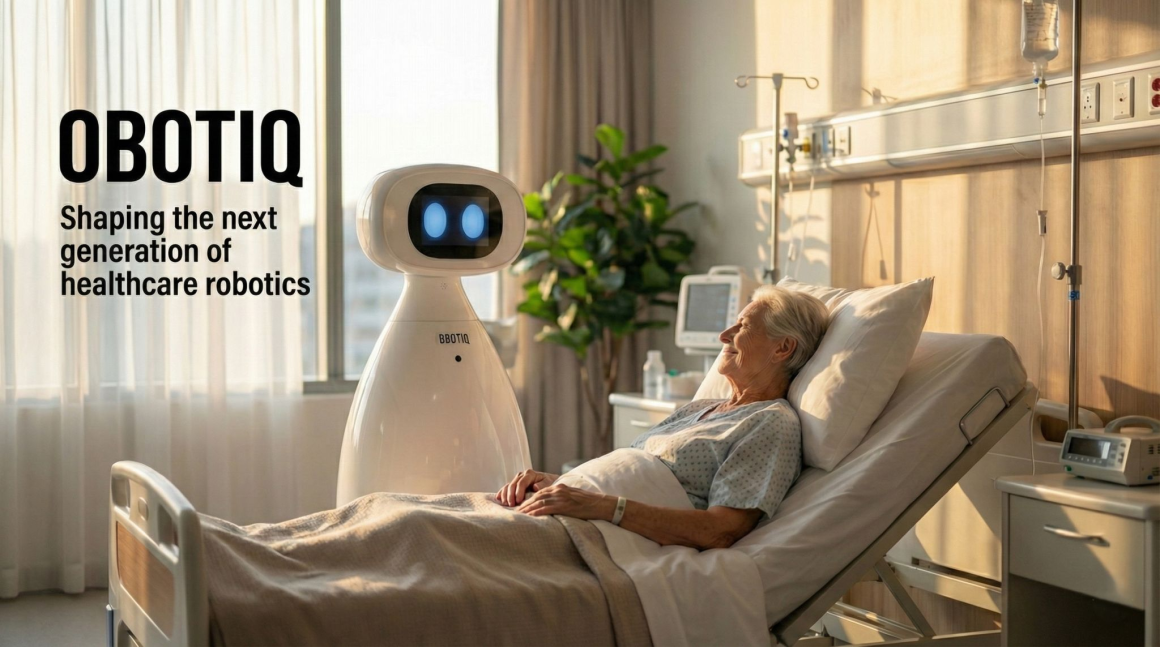
Obotiq tackles the small, interrupt-driven tasks that steal time from caregivers: responding to requests, assisting with check-ins, coordinating day-to-day flow.
For residents, it adds consistency: reminders, engagement, and a presence when a caregiver can’t be in two places at once.
“We allow caregivers to stay focused on higher-value, patient-facing work,” Levi says. “And for residents, it creates a more connected and supportive environment.”
This isn’t about replacing human touch — it’s about protecting it.
Built on a Shoestring
Obotiq’s story is one of grit and ingenuity. The company began with a $12,000 grant, multiple prototypes, late nights, and two founders juggling full-time jobs and school — all in under six months.
“That experience shaped how we think, how we move, and how we stay close to the issue at hand,” Jadav says. “It taught us to focus on real-world impact over anything else.”
Their first assisted living deployment is now live. Metrics are concrete: reduced caregiver workload, less overtime pressure, faster response times — and more time for staff to do the work they trained for.
A Decade of Change
Ask Jadav and Levi where healthcare robotics will be in ten years, and they speak without hesitation.
“Robotics in healthcare is still in very early stages compared to other industries,” Jadav says. “Over the next decade, we believe that will change significantly.”
Their vision isn’t a cold, automated facility. It’s a future where intelligent systems handle operational tasks seamlessly, freeing nurses and caregivers to focus on what drew them to the profession.
“We see a future where intelligent systems are seamlessly integrated into care environments, supporting teams at scale, and allowing healthcare professionals to focus more on what matters most,” Levi says.
For two founders who built something real from almost nothing, that future doesn’t feel distant. It feels like it’s already walking down the halls, quietly giving time and attention back to those who need it most.
Obotiq was recognized as the Arizona Ascent 2026 Business Impact Awards – Innovative Business of the Year. Founders Nisarg Jadav and Natalie Levi are based in Arizona.