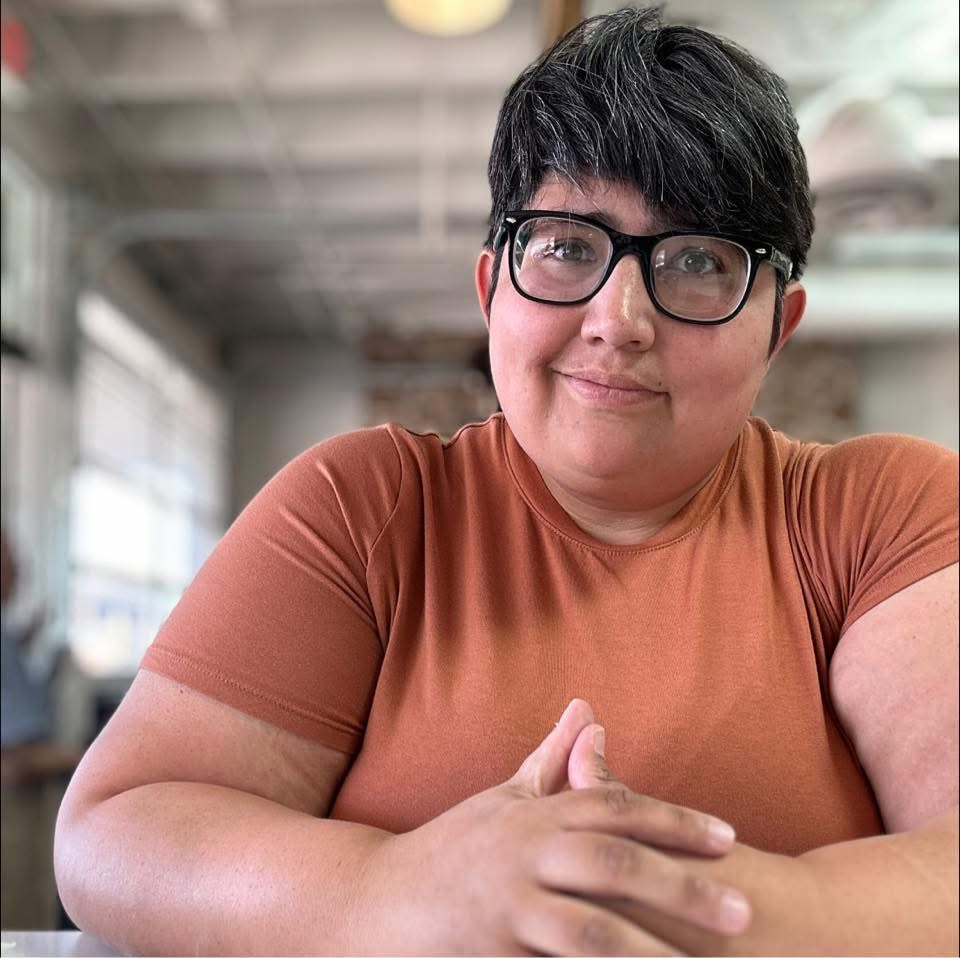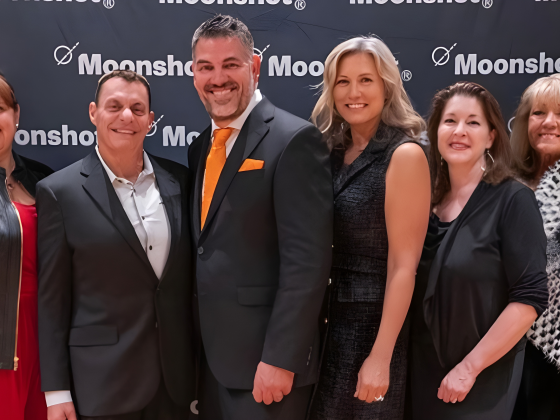
Jennifer Conrad is the Founder, CEO, and Editor-in-Chief of Arizona Ascent, a media platform more than a magazine—uniting business, real estate, and community across Arizona. She builds brands and content that people remember, turning storytelling into strategy—and strategy into measurable impact.
Under her leadership, Arizona Ascent spotlights the leaders shaping Arizona’s future, positioning their work within the state’s broader momentum. Its stories don’t just inform—they elevate credibility, expand visibility, and connect leaders to the ecosystem that makes growth possible.
Raja Sekhar Malireddy has felt the silence of a community left behind twice in his life — once as a child in India, and again the moment he arrived in Tucson.
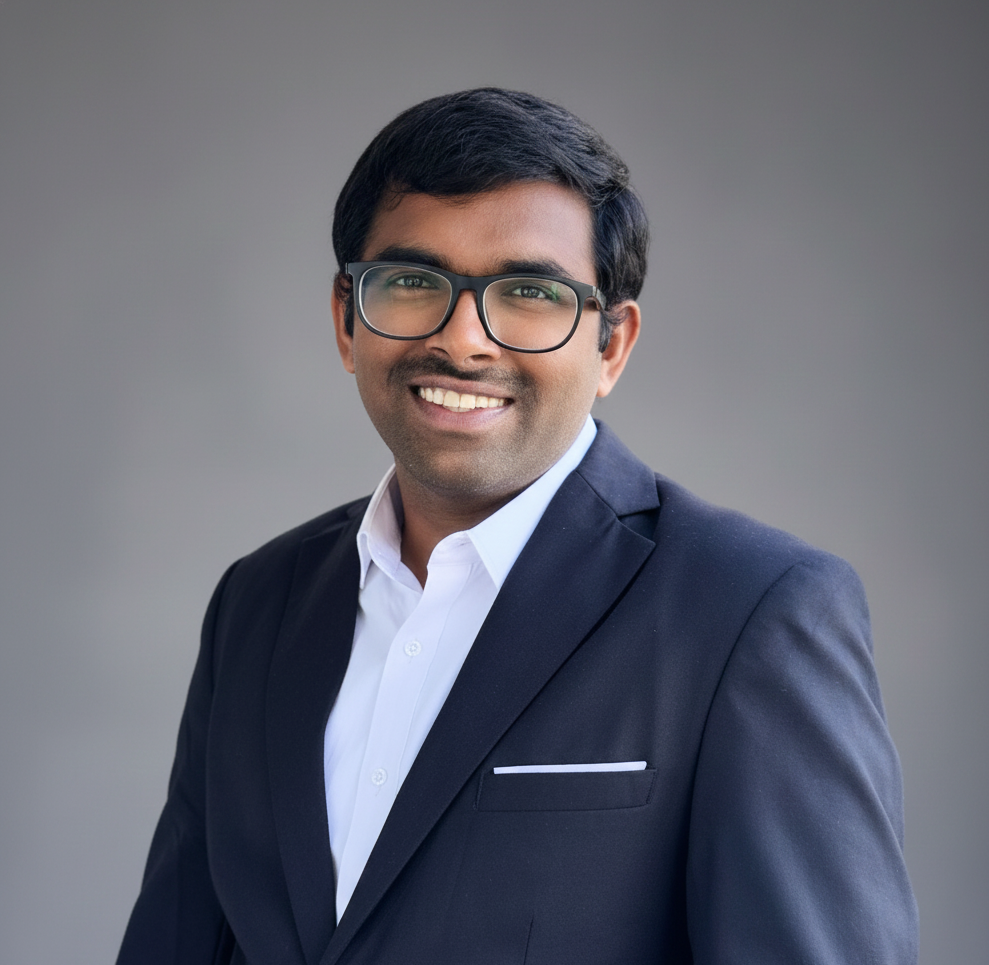
Raja Sekhar Malireddy remembers the exact moment it clicked. It was late 2024. He had just arrived in Tucson — new country, new city, new everything — and he wanted to do something incredibly simple. He wanted to know what was happening around him. What people were talking about. Where to go, who to meet, how to feel like he belonged somewhere he’d never been before.
So he searched. And searched. And came up with almost nothing.” If you go to Google it will give some random links,” he says, laughing softly at the memory. “I didn’t find any platform.”
He sat with that feeling for a moment. And then something shifted. Because he had felt this before — this specific helplessness of being somewhere and having no way to understand it.
He had felt it as a child, growing up in a small village in Andhra Pradesh, India, watching the digital world scroll past without stopping. Watching the big cities get everything while his community got almost none of it.
He was 25 years old and standing in Arizona, and he felt exactly like that kid again. He also knew exactly what that feeling meant. It meant someone needed to fix this. And he already knew it was going to be him. The first time Raja fixed something like this, he was barely out of school.
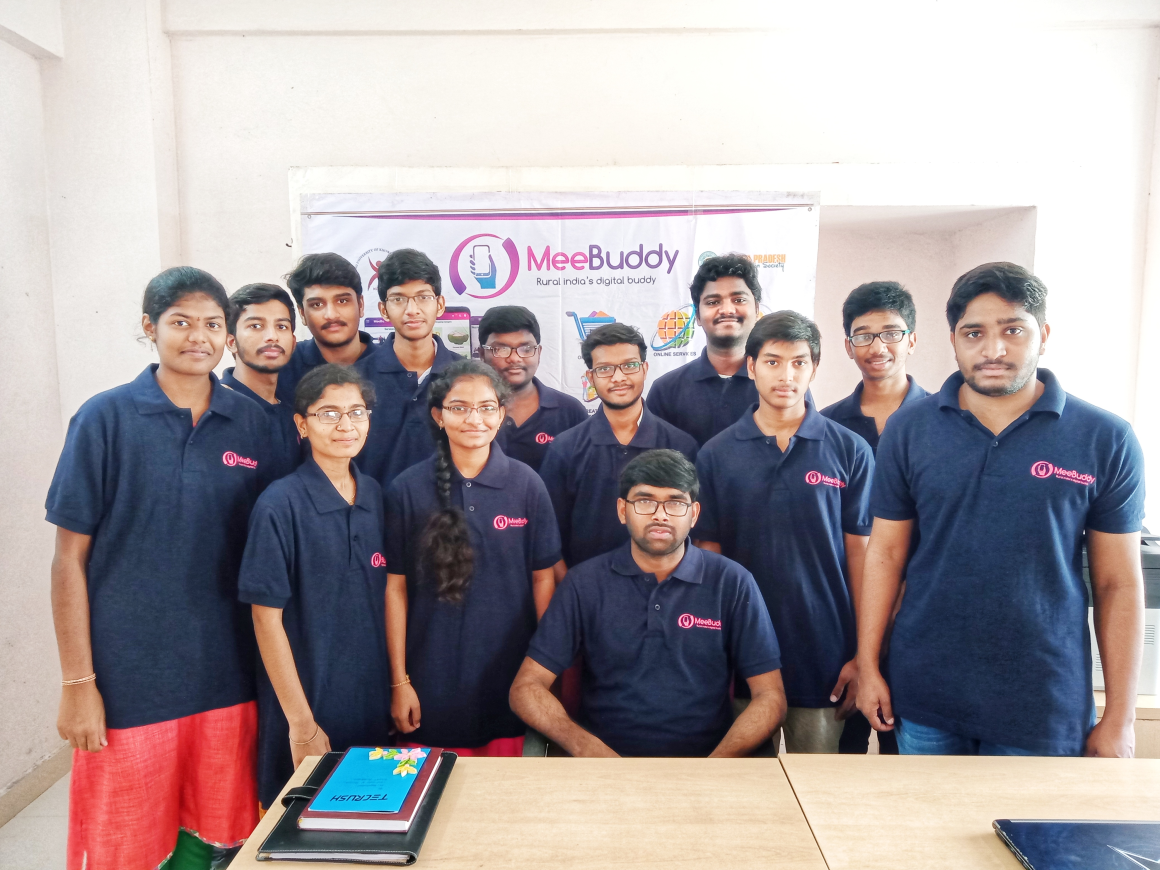
MeBuddy was his answer to a problem that most tech entrepreneurs never bothered to see that rural communities in India had no access to the everyday conveniences that cities took for granted. No delivery apps. No e-commerce. No way to get vegetables, fruit, or daily essentials without traveling distances that made the whole endeavor not worth it.
So Raja built the thing. A rural e-commerce platform, franchise by franchise, community by community, doing the unglamorous logistics work that nobody else wanted to do. One location became 10. Ten became 50.
And then COVID arrived. The world stopped moving, and MeBuddy, built entirely on the premise of things going places couldn’t survive the stillness. Fifty franchises. Gone.
Raja doesn’t talk about that period with bitterness. He talks about it the way someone describes a storm they lived through — something that happened, something that hurt, something that eventually passed and left everything changed.What he remembers most isn’t the loss of the business. It’s what he noticed in the silence after. His community had gone dark.
So Raja built the thing. A rural e-commerce platform, franchise by franchise, community by community, doing the unglamorous logistics work that nobody else wanted to do. One location became 10. Ten became 50.
And then COVID arrived. The world stopped moving, and MeBuddy, built entirely on the premise of things going places couldn’t survive the stillness. Fifty franchises. Gone.
Raja doesn’t talk about that period with bitterness. He talks about it the way someone describes a storm they lived through — something that happened, something that hurt, something that eventually passed and left everything changed.
What he remembers most isn’t the loss of the business. It’s what he noticed in the silence after. His community had gone dark.
People in his village and in towns across rural India had no idea what was happening around them. Not just with the pandemic with anything. Local information had dried up. Neighbors were making decisions without context. Communities that were already isolated had become invisible, even to themselves.
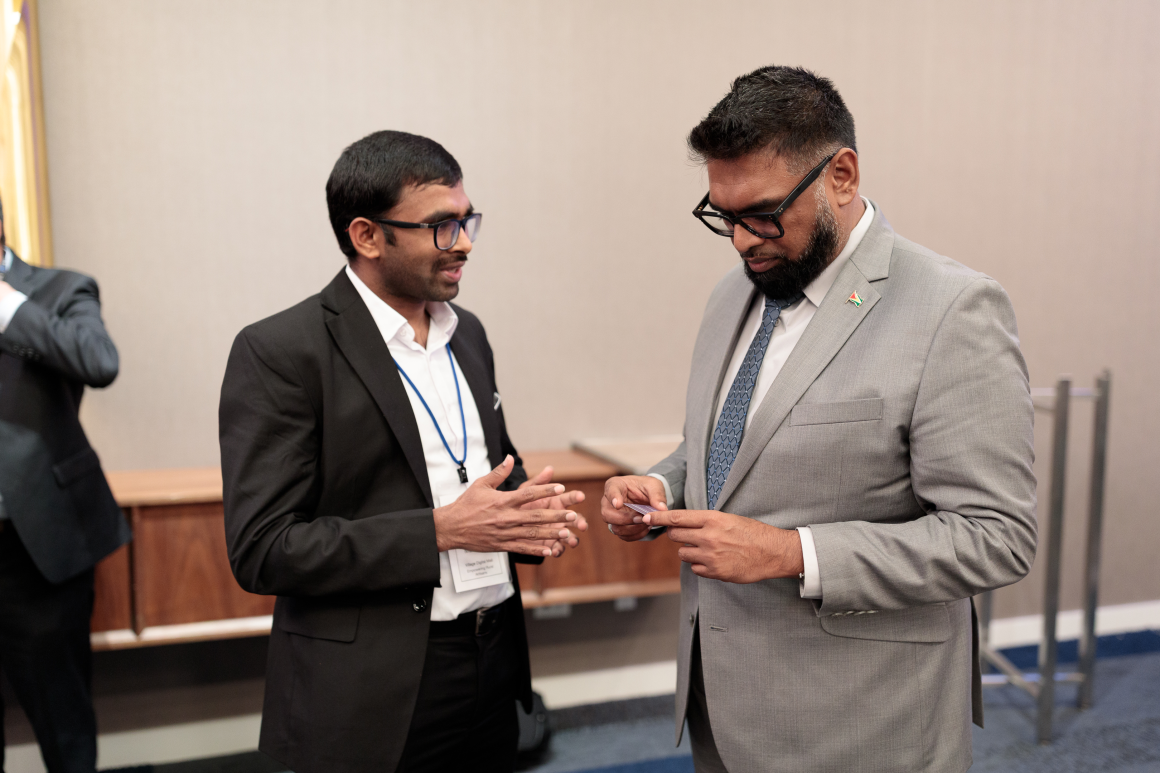
He sat with that for a while. In 2022, he launched Me24News. It wasn’t backed by investors or a media conglomerate. It was built on the stubborn belief that people deserve to know what’s happening where they live. And it grew — slowly at first, then faster than he expected — into something that surprised even him. More than 3,500 independent journalists. Over 1,000 articles published every single day across two Indian states.
Not a media empire. Something more grassroots and more durable than that. A way for communities that had never had a voice in their own story to finally have one. Raja was proud of what he’d built. But he was also restless. Because a master’s program at the University of Arizona was waiting, and with it, a question he couldn’t stop turning over in his mind. Was the same problem happening in America?
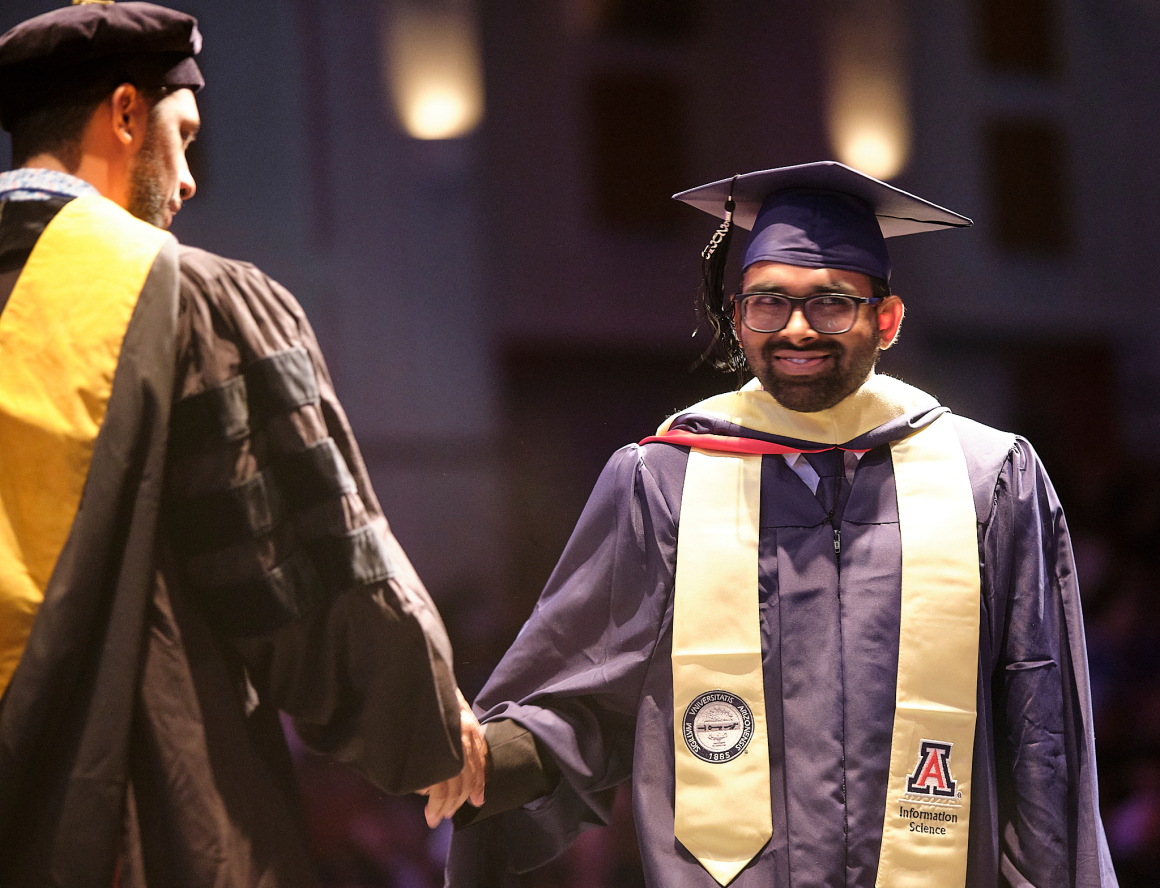
He arrived in Tucson in 2024 with his coursework in one hand and that question in the other. Through the NSF I-Corps program, he spent months sitting across from nonprofit news organization leaders all over Arizona, asking questions and taking notes and mostly just listening. What they told him was worse than he expected.
Most local outlets were surviving on bare-bones WordPress websites. No mobile apps. No real-time updates. Some were publishing one or two stories a day and calling it coverage. Entire neighborhoods were going unreported. Entire communities were happening — loudly, messily, beautifully — without anyone writing it down.
And then there was his own experience. Moving to a new city, trying to find information, coming up empty. Typing search after search into Google and getting links that led nowhere useful.
He remembered that feeling from his village. The same wall. The same silence. The same invisible line between the communities that technology had decided mattered and the ones it had quietly passed over. Except this time he was standing in the United States of America, in a city of a million people, and the wall was still there. He wasn’t surprised. He was galvanized
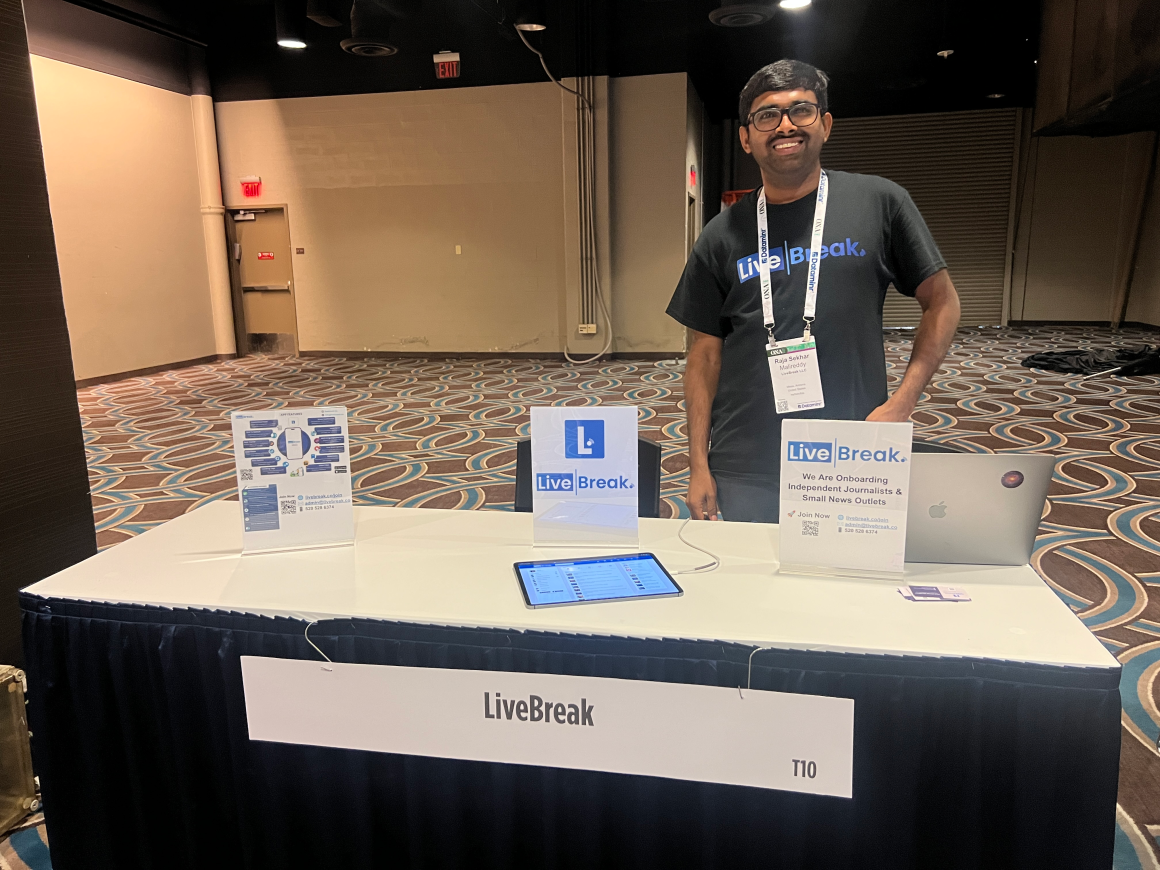
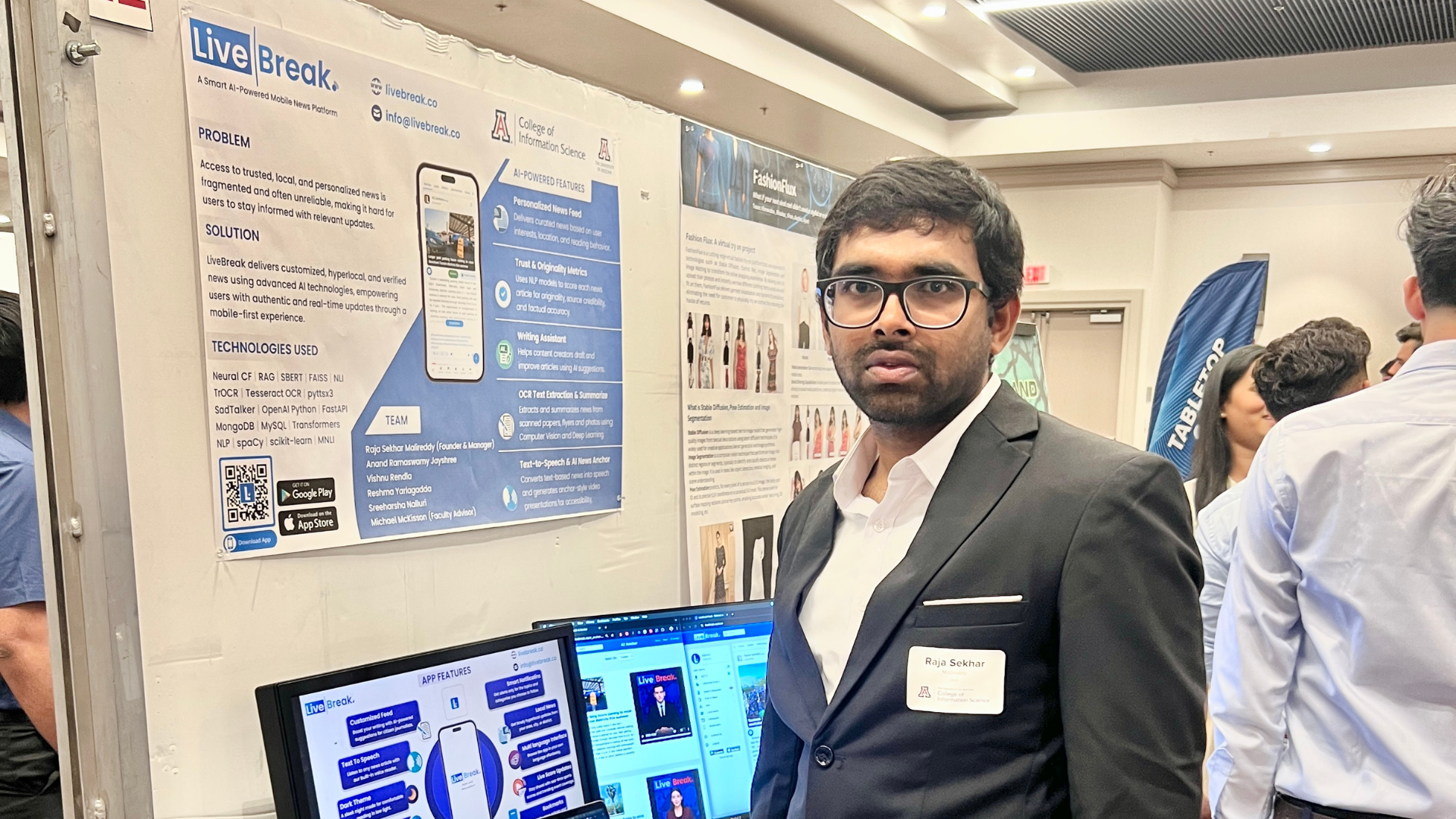
LiveBreak launched as his answer; part recognition, part reflex, part something he simply couldn’t not build. But spend any time with Raja and you’ll hear him push back, gently but firmly, on one particular description. “I don’t see it as a news platform,” he says. “I see it as a local information hub.” It’s a distinction he loves making because it cuts to the heart of what most news organizations have missed. A news platform publishes. A community hub converses.
LiveBreak is designed to be the place where an independent journalist covering city hall, a small business owner announcing a grand opening, and a resident sharing something they saw on their street can all show up, respond to each other, and build something that actually feels like the community they share.
Think about what that means for a neighborhood that’s never had that before. A story gets published about a local zoning decision. Residents respond. A business owner adds context. A journalist follows up. Suddenly a community that was invisible to itself is having a conversation, and everyone in it feels a little less alone.
To make that work at scale, Raja built AI into the platform’s foundation. LiveBreak suggests headlines, pulls hashtags, categorizes stories, and connects the right content with the readers who actually want to see it. Not to replace journalists; but to lower the barrier enough that the people who have something worth saying actually get heard.
“We want to show the right information to the right people at the right time,” he says. Then he pauses, like he’s still a little awed by the fact that this is his life’s work. “Technology is playing a very important role in journalism now.”
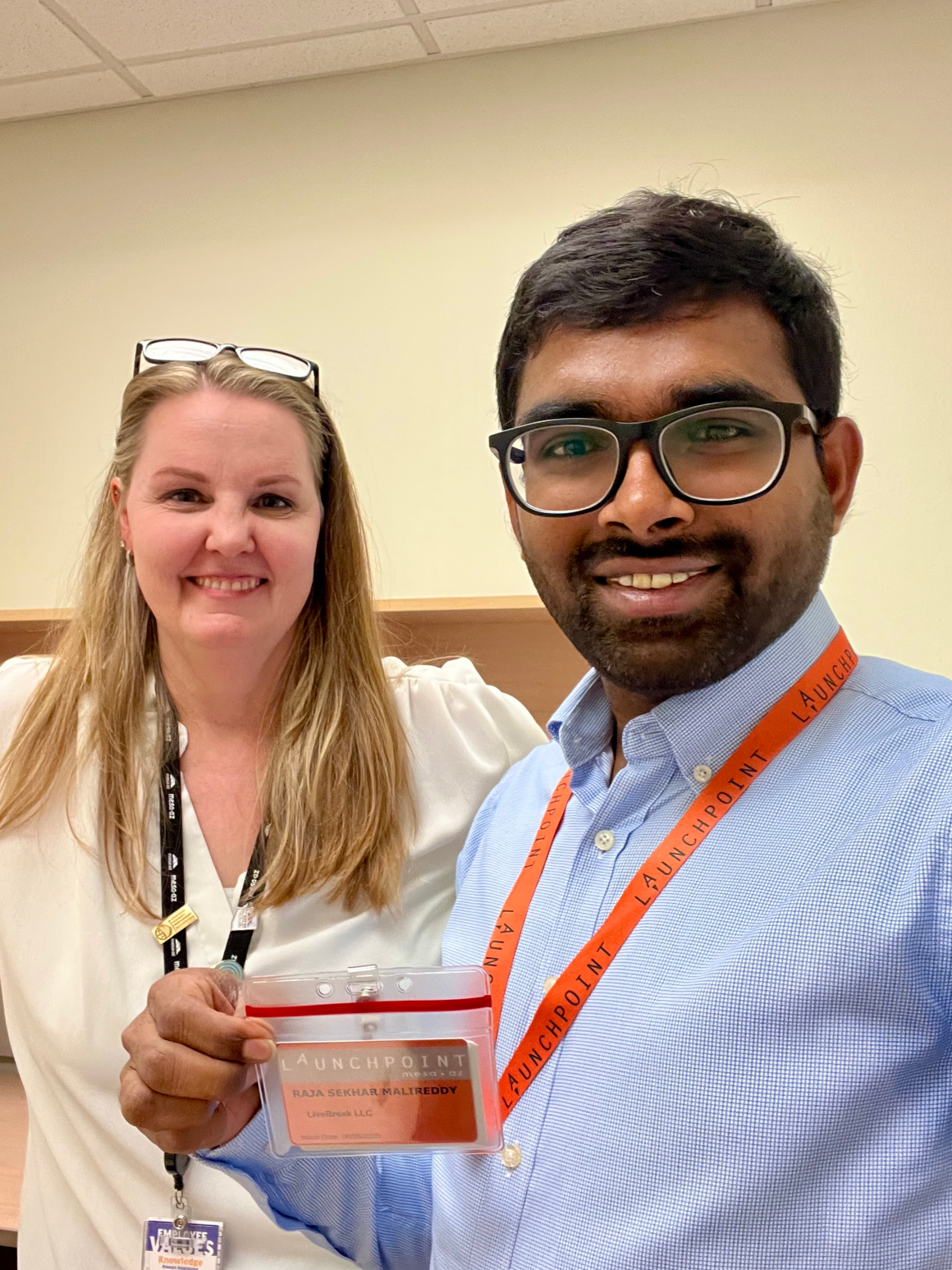
LiveBreak is still young, and Raja is the first to say so. “We are still in early stage,” he says, with a plainness that has become something of a signature. “We have not created a big impact yet.”
But listen to what comes next.
By the end of 2026, he wants LiveBreak woven into daily life across Arizona — a platform where local businesses find their neighbors, where nonprofit newsrooms punch above their weight, where independent journalists have a home that takes their work as seriously as they do. Then in 2027, he takes it national.
It’s an enormous vision. But enormous visions have always been Raja’s natural habitat, because he learned early that the biggest problems are usually hiding in the places nobody bothered to look. A village in India that needed deliveries. A rural community that needed news. A city in Arizona that needed a way to know itself. He has spent his entire career finding those places and refusing to leave them the way he found them.
That is why Arizona Ascent is proud to name Raja Sekhar Malireddy the 2026 Emerging Founder of the Year. Not just for what he has already built across two continents and a decade of stubborn, unglamorous, community-by-community work. But for what he is building right now, in our own backyard, for all of us.