
Jennifer Conrad is the Founder, CEO, and Editor-in-Chief of Arizona Ascent, a media platform more than a magazine—uniting business, real estate, and community across Arizona. She builds brands and content that people remember, turning storytelling into strategy—and strategy into measurable impact.
Under her leadership, Arizona Ascent spotlights the leaders shaping Arizona’s future, positioning their work within the state’s broader momentum. Its stories don’t just inform—they elevate credibility, expand visibility, and connect leaders to the ecosystem that makes growth possible.
How Arizona’s largest, most regulated industry is quietly signaling a shift from improvisation to systems.
On a quiet afternoon, a real estate agent rewrites a listing description for the third time. The facts haven’t changed. The house hasn’t changed. But the words feel off.
Too vague. Too polished. Not quite compliant. Not quite convincing. In a market that has slowed just enough for buyers to pause, language suddenly matters in a way it didn’t before.
This moment—small, frustrating, increasingly familiar—is where marketing stops being creative guesswork and starts becoming something else entirely. Across Arizona, marketing is growing up.
When Intuition Isn’t Enough Anymore
For years, marketing ran on instinct. Borrow a phrase from a competitor. Reuse last year’s copy. Trust that enthusiasm would carry the message. But as Arizona’s housing market moved from urgency to balance, the margin for error narrowed. Listings began to linger just long enough for buyers to read more carefully.
Claims were weighed. Tone mattered. Consistency or the lack of it became visible. Real estate has always been regulated. What’s different now is how clearly those limits show up. When attention slows, intuition stops carrying the load. What replaces it isn’t louder messaging. It’s structure.
A Long View on Arizona’s Cycles

Few people recognize this kind of shift while it’s happening. Alan Steinberg does. Steinberg has lived and worked in Arizona since 1978, long enough to watch the state cycle through multiple technology waves. When artificial intelligence surged into the mainstream, he saw that pattern repeating. Chatbots and content generators promised speed. What they often produced instead was volume without clarity.
“We’re just coming out of the chatbot era,” Steinberg says. “The lights are just starting to turn on.” He doesn’t say it with urgency. It lands more like an observation the kind that comes from watching the same cycle long enough to recognize when it’s finally shifting.
What concerned him wasn’t whether businesses would adopt AI. It was whether they trusted what they were producing once they did.
Building for How Marketing Actually Works
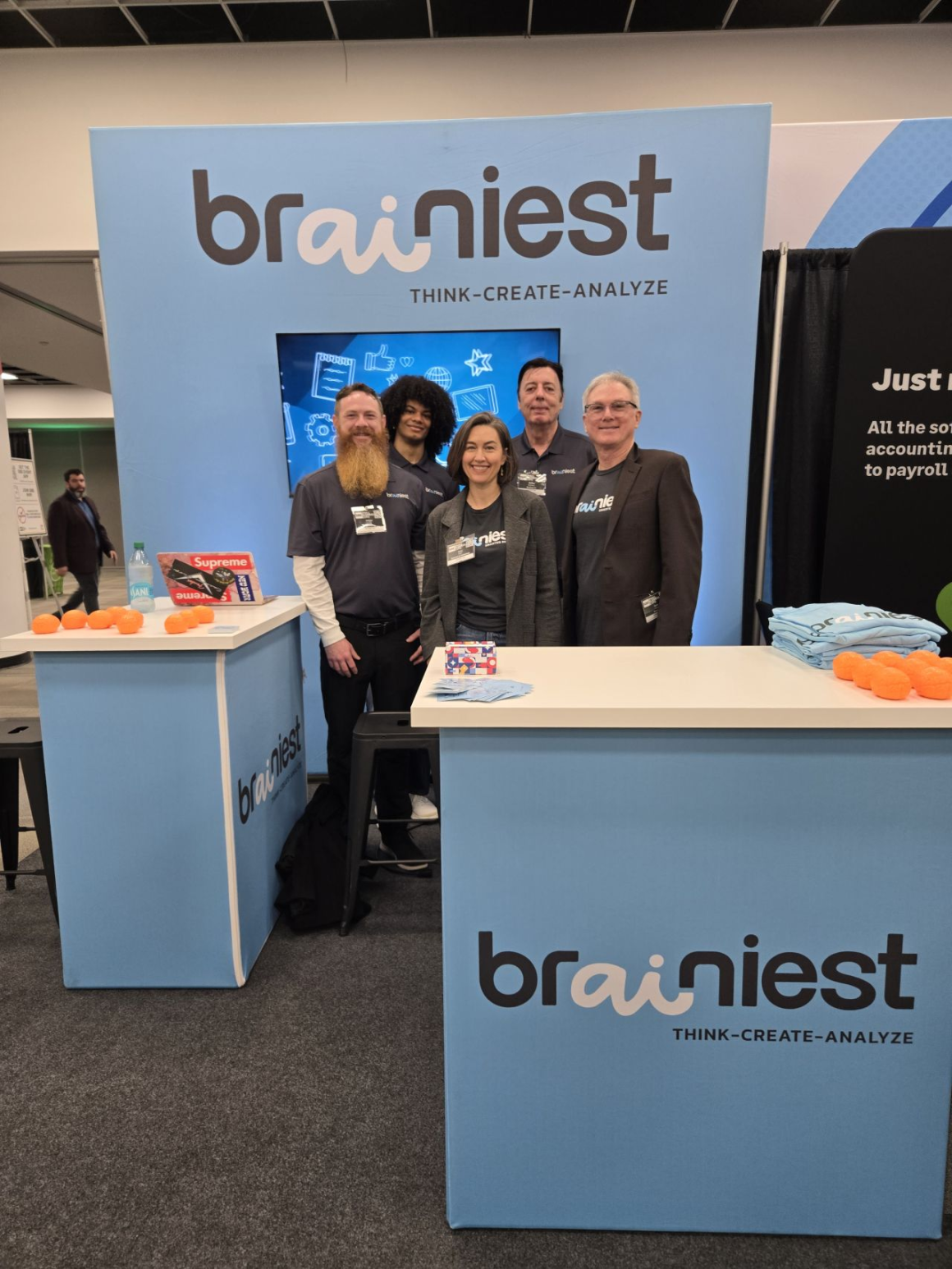
That concern became the foundation for Brainiest AI, the company Steinberg co-founded with a deliberately different aim. Brainiest wasn’t built to write clever copy. It was built to guide thinking.
Instead of prompting users to generate text and hoping it fits, the platform walks them through the discipline behind marketing itself: defining brand voice, clarifying positioning, identifying audiences, structuring messaging, and building marketing and PR plans that actually hold together over time. The technology dozens of AI models and capabilities stays largely invisible.
The process is what users feel. Steinberg kept returning to the same idea during our conversation: most businesses don’t fail at marketing because they lack effort or creativity. They fail because they’re never given a structure to work inside.
In his words, the goal was simple: turning marketing strategy into a repeatable business function for companies that never had access to it. That framing matters most where the cost of getting it wrong is high.
Why Real Estate Paid Attention First
Real estate didn’t adopt structured marketing systems because they were new. It adopted them because they were necessary.
Brainiest has already been fully adopted by the Vail, Colorado MLS and is currently under evaluation by multiple Arizona real estate associations, including Phoenix, Scottsdale, and the West Valley.

A real estate–specific applet, developed with regional broker Greg Peterson, allows agents to upload property photos and generate MLS-aligned marketing copy headlines, feature descriptions, flyers, and listing language tailored to luxury, commercial, aviation, or land assets, while remaining consistent with an agent’s brand voice.
Steinberg wasn’t surprised that real estate responded first. In regulated environments, he explained, systems tend to arrive before comfort does.
What matters here isn’t automation. It’s accountability. MLS compliance, consumer scrutiny, and brand trust leave little room for “close enough.” When marketing systems begin to standardize in an industry like real estate, it signals something larger: marketing is no longer treated as an art project. It’s treated as infrastructure.
Scale Changes Everything
That signal carries weight because of the industry’s size. As of 2025, Arizona is home to more than 53,000 REALTORS®, with estimates placing over 51,000 active real estate agents operating statewide. Many are represented by the Arizona Association of REALTORS®, making real estate one of the largest and most interconnected professional communities in the state.
At that scale, inconsistency doesn’t stay personal it compounds. When tens of thousands of agents are writing listings and marketing properties at the same time, language spreads. Habits normalize. Small errors stop feeling small. What might be an individual inefficiency becomes a systemic issue.
This is why real estate is such a clear indicator. At this point, marketing isn’t just expression. It’s shared infrastructure. Platforms like Brainiest step into that gap not as creative tools, but as stabilizers helping a large, decentralized professional population operate with greater consistency, clarity, and confidence.
A Shift Larger Than Housing
What’s happening in real estate isn’t an exception. It’s an early signal. Across Arizona, businesses are staying longer, growing more deliberately, and operating in environments where inconsistency creates friction.
The same pattern Arizona Ascent has documented in aviation, housing, education, and entrepreneurship is now unfolding in marketing. For decades, strategy lived behind barriers agencies, consultants, retainers. Many small and mid-sized businesses weren’t failing because they lacked ambition. They lacked structure.
By embedding strategy directly into execution, platforms like Brainiest lower that barrier. Owners don’t need to “know marketing” to operate with discipline. The system carries the load. The result isn’t louder messaging. It’s fewer mistakes. Clearer decisions. Marketing that holds up when scrutiny increases.
What This Moment Means
Early ecosystems rely on heroics, intuition, hustle, individual brilliance. Mature ecosystems rely on systems shared standards, repeatable processes, and tools that reduce volatility. When marketing grows up, it stops being a gamble. It becomes infrastructure.
Real estate is showing us first because it has to. Other industries are already following because they want to. And for Arizona, this shift doesn’t feel theoretical anymore. It feels like something settling into place the kind of stability that only comes after a period of rapid change. That’s not a loss of momentum. It’s what momentum becomes when a market grows up.