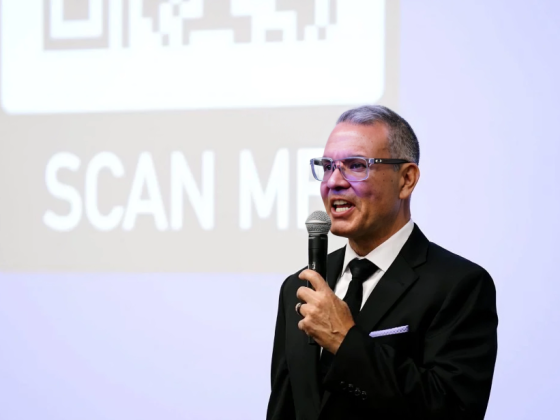

Jennifer Conrad is the Founder, CEO, and Editor-in-Chief of Arizona Ascent, a media platform more than a magazine—uniting business, real estate, and community across Arizona. She builds brands and content that people remember, turning storytelling into strategy—and strategy into measurable impact.
Under her leadership, Arizona Ascent spotlights the leaders shaping Arizona’s future, positioning their work within the state’s broader momentum. Its stories don’t just inform—they elevate credibility, expand visibility, and connect leaders to the ecosystem that makes growth possible.
Inside Bluetail’s safety-first approach to modernizing aviation records.
Most people never step inside a private aircraft hangar. If they do, the reaction is immediate: the scale of the aircraft, the quiet precision of the environment, the sense that this is a world governed by rules that leave no room for error. What’s less visible unless you spend time inside it is how much of aviation still depends on systems that haven’t changed in decades.
The interview took place inside a private hangar at Pinnacle Aviation in North Scottsdale, surrounded by private jets of different sizes and makes light jets, midsize aircraft, long-range planes each built for a distinct mission and operational reality. Technicians moved steadily between aircraft, tools tapping against concrete, the smell of fuel and metal lingering in the air. It was a working environment, not a showroom a reminder that in aviation, nothing is abstract. Every system, every decision, every record is tied directly to an aircraft preparing to fly.
Despite the sophistication of modern aviation, much of the industry’s most critical information is still managed the same way it has been for generations: paper logbooks, binders, and boxes filled with maintenance histories, inspection records, and compliance documents. In this world, a single missing page can delay an inspection, stall a sale, or ground an aircraft entirely.
For Roberto Guerrieri, that reality was unacceptable. Rather than accept it as the cost of doing business, he set out to change it. He is the CEO and Co-founder of Bluetail, an aviation technology company.
Built with a singular focus: transforming how the industry manages, accesses, and acts on its most critical records.
Headquartered in Scottsdale, Bluetail is modernizing one of aviation’s most overlooked yet most consequential systems, not by forcing disruption, but by building deliberately inside an industry where safety is non-negotiable.
From Apple to Aviation
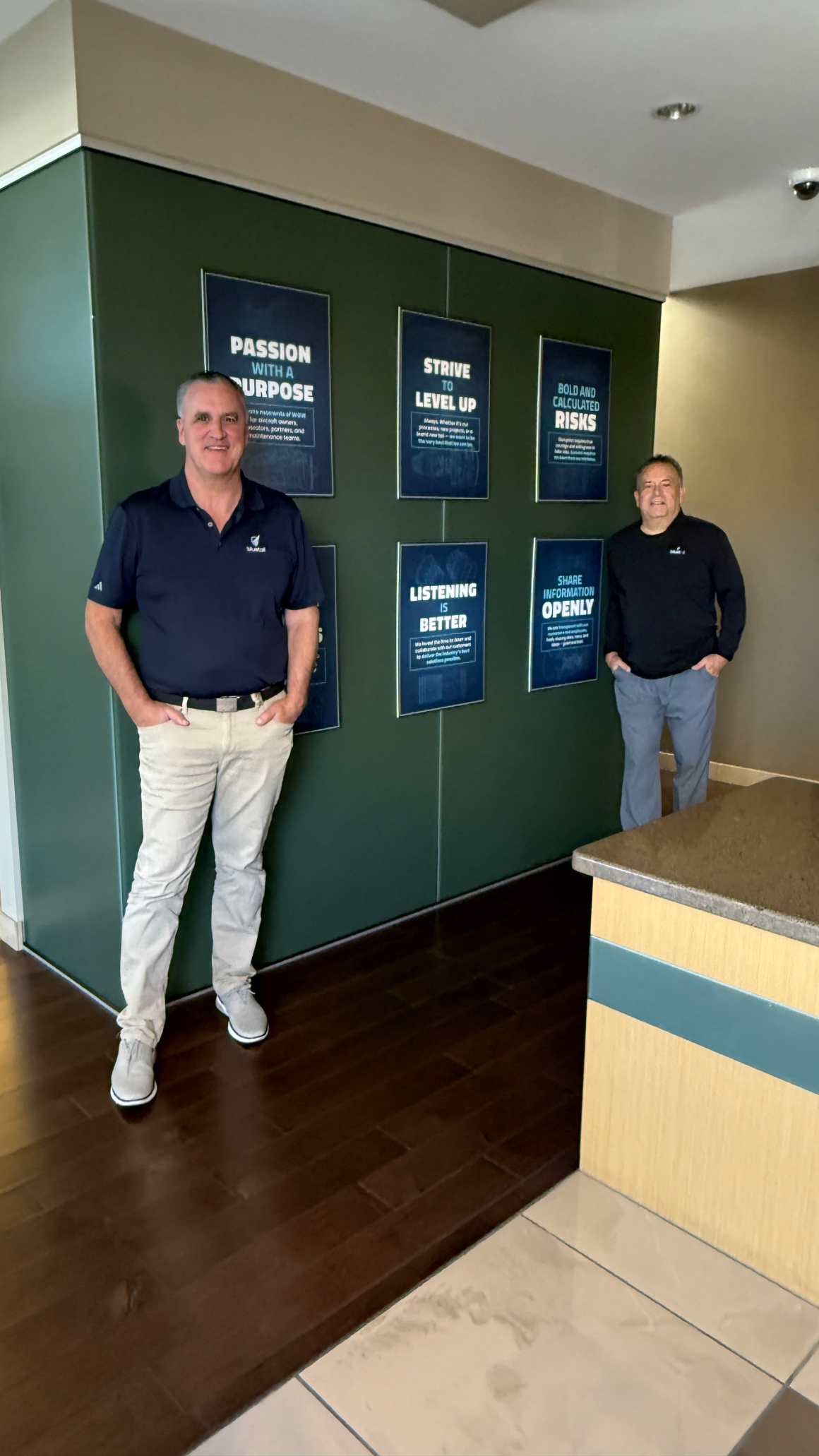
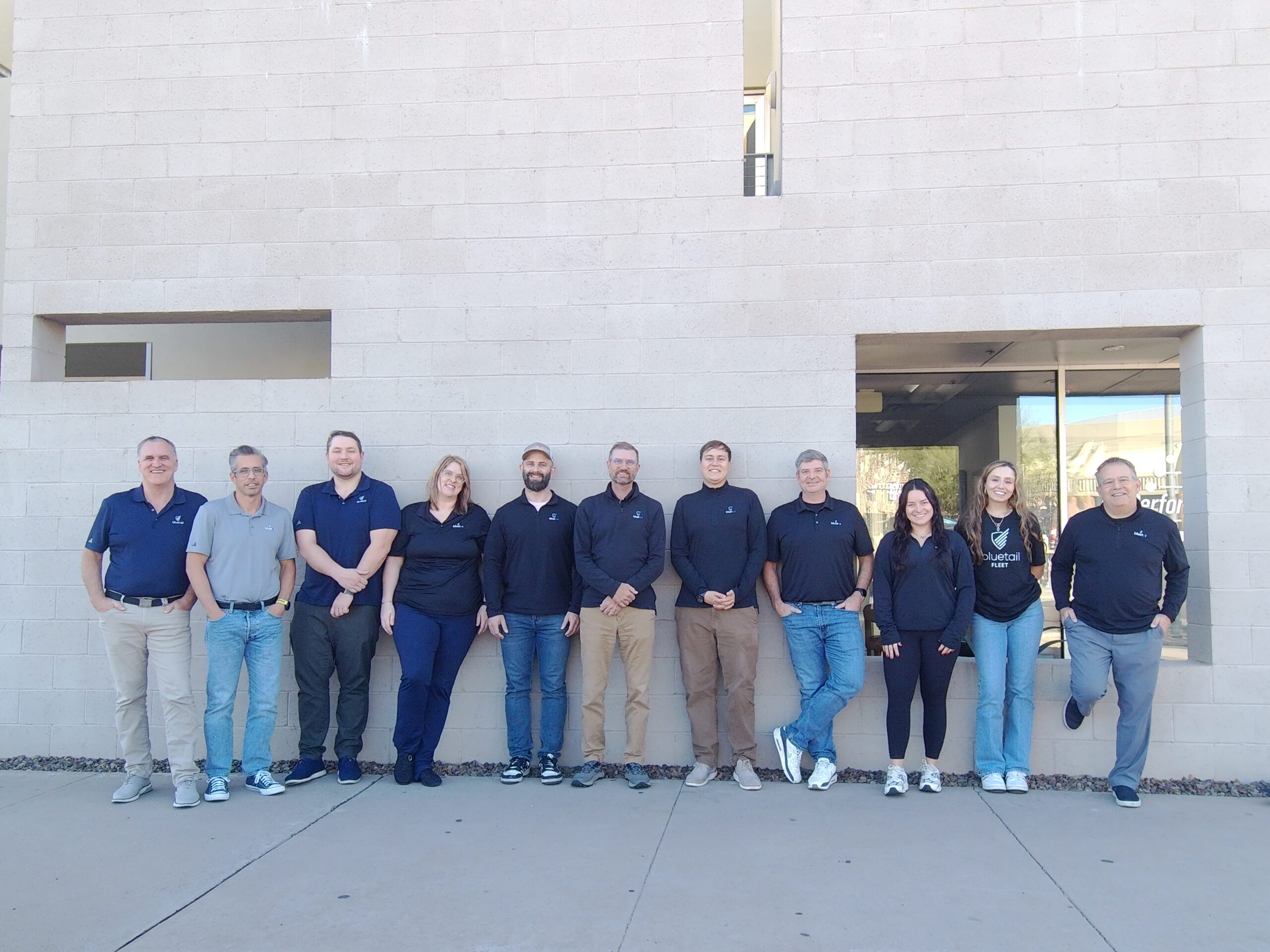
Long before Bluetail, Roberto Guerrieri and Stuart Illian worked together at Apple, where both were shaped by a culture that prizes systems thinking, precision, and accountability.
It was there that the foundation of their partnership was formed ot around aviation, but around how complex systems should be built, maintained, and trusted.
While both came from enterprise technology, their focus gradually diverged. Guerrieri remained deeply rooted in software execution and platform design. Illian leaned increasingly into aviation, developing a deep respect for maintenance culture, operational pressure, and the realities faced daily by operators and Directors of Maintenance.
Bluetail was born at the intersection of those shared standards and complementary strengths.
Guerrieri now serves as CEO, while Illian is co-founder and Chief Aviation Officer true partners building technology that respects aviation’s constraints rather than attempting to override them.
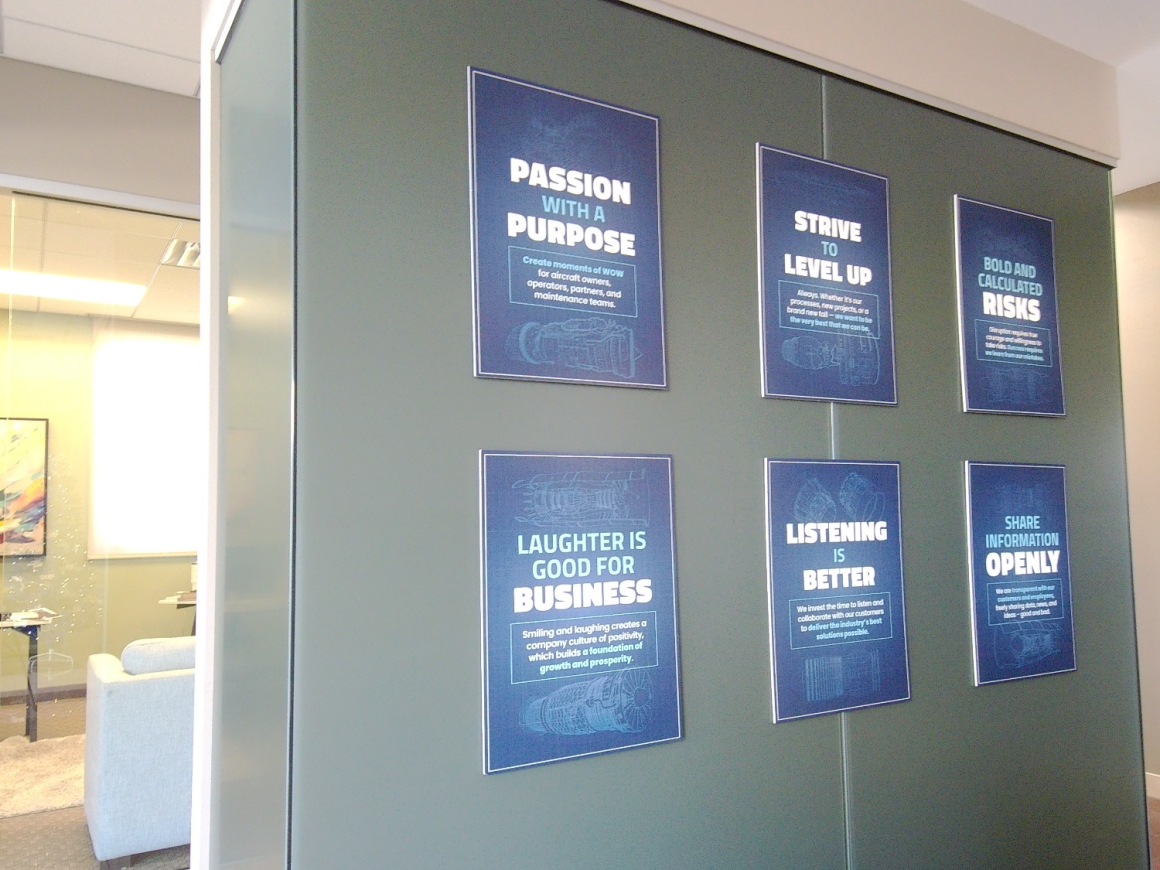
“Aviation moves differently,” Guerrieri said. “There are souls on board. Checklists matter. Process matters.” Rather than importing Silicon Valley’s “move fast and break things” mindset, Bluetail adopted aviation’s pace: deliberate, methodical, and accountable.
Why Digitization in Aviation Is Different

In many industries, digitization is self-serve. Upload files. Migrate systems. Train users. That model doesn’t work in aviation. Aircraft records are regulated, audited, and deeply contextual. Losing or misrepresenting them isn’t an inconvenience—it’s a risk. Early on, Bluetail assumed operators might scan records themselves or use local services. Customers quickly made it clear that wasn’t acceptable.
“These records are too important,” Guerrieri explained. “Security and accuracy come first.” In response, Bluetail built a different onboarding model. The company deploys trained teams people who understand aircraft maintenance, not just scanning hardware—to digitize records on site.The goal is immediate value. As soon as records are scanned, they are uploaded, indexed, and usable inside Bluetail’s platform. Time-to-value matters in SaaS. In aviation, it’s essential. “You can’t wait months,” Guerrieri said. “It has to work right away.”
Turning Paper Into a Living Aircraft History
Once digitized, Bluetail does more than store documents. Every page is fully OCR’d every word, part number, and FAA form. Pages are cleaned, rotated, and structured. Records are indexed by tail number and organized into a searchable timeline that reflects the aircraft’s full operational and maintenance history.

Maintenance teams can search records by keyword, part number, or aircraft on phones, iPads, or inside MROs across the country. What once took hours of manual searching can now be surfaced in seconds.
Guerrieri likens it to Carfax or Ancestry.com—but for aircraft. A living record of where a plane has been, how it’s been maintained, and what’s been done to it over time.
Importantly, Bluetail’s technology isn’t designed to replace human judgment. It supports it surfacing the right information faster while keeping accountability exactly where it belongs.
By the end of 2025, Bluetail had surpassed 22 million aircraft documents inside the platform, a scale that underscores just how much of aviation’s operational history once lived exclusively on paper. That volume isn’t static. Operators actively rely on it performing nearly 200,000 searches across the platform, with average search times measured in milliseconds, not minutes or hours.
The contents of those records tell their own story. Alongside formal maintenance logs and compliance documents are the human artifacts of aviation itself handwritten notes, unexpected entries, even a hand-scribbled BBQ sauce recipe preserved inside a logbook. Bluetail doesn’t just digitize data; it captures the full, imperfect history of aircraft operations and makes it usable without stripping away context.
AOG, Availability, and Pressure
Beyond safety, aviation runs on availability.
An aircraft that is AOG—Aircraft on Ground—isn’t flying, isn’t earning, and isn’t serving its owner. Every hour grounded compounds pressure. Owners want answers. Pilots need clarity. Maintenance teams feel it immediately.
In those moments, access to accurate records isn’t a convenience. It’s relief.
Maintenance rarely happens in one place. Records used to be faxed, shipped, or physically carried to MROs. With Bluetail, teams log in, access the full record, and move forward without delay.
This is where Bluetail crosses a critical threshold from a system of record to a system of action. Operators aren’t just finding documents. They’re making decisions faster, and with fewer unknowns.
Earning Trust, Not Just Adoption
Trust, Guerrieri says, is Bluetail’s real moat.
Early customers weren’t worried about learning new software. They were worried about handing over irreplaceable records—the aircraft’s memory. Lose that, and you don’t just lose data. You lose history.
Bluetail earned adoption not by selling features, but by taking responsibility for the most fragile part of the process. That decision shaped everything that followed.
Focus, Restraint, and Saying No
Opportunities surface constantly—adjacent markets, new features, new geographies. Guerrieri is candid about the discipline required to say no.
“Saying no frustrates people sometimes,” he admitted. “But aviation rewards focus.”
Features can wait. Expansion can wait. In an industry like aviation, doing something prematurely isn’t innovation, t’s risk.
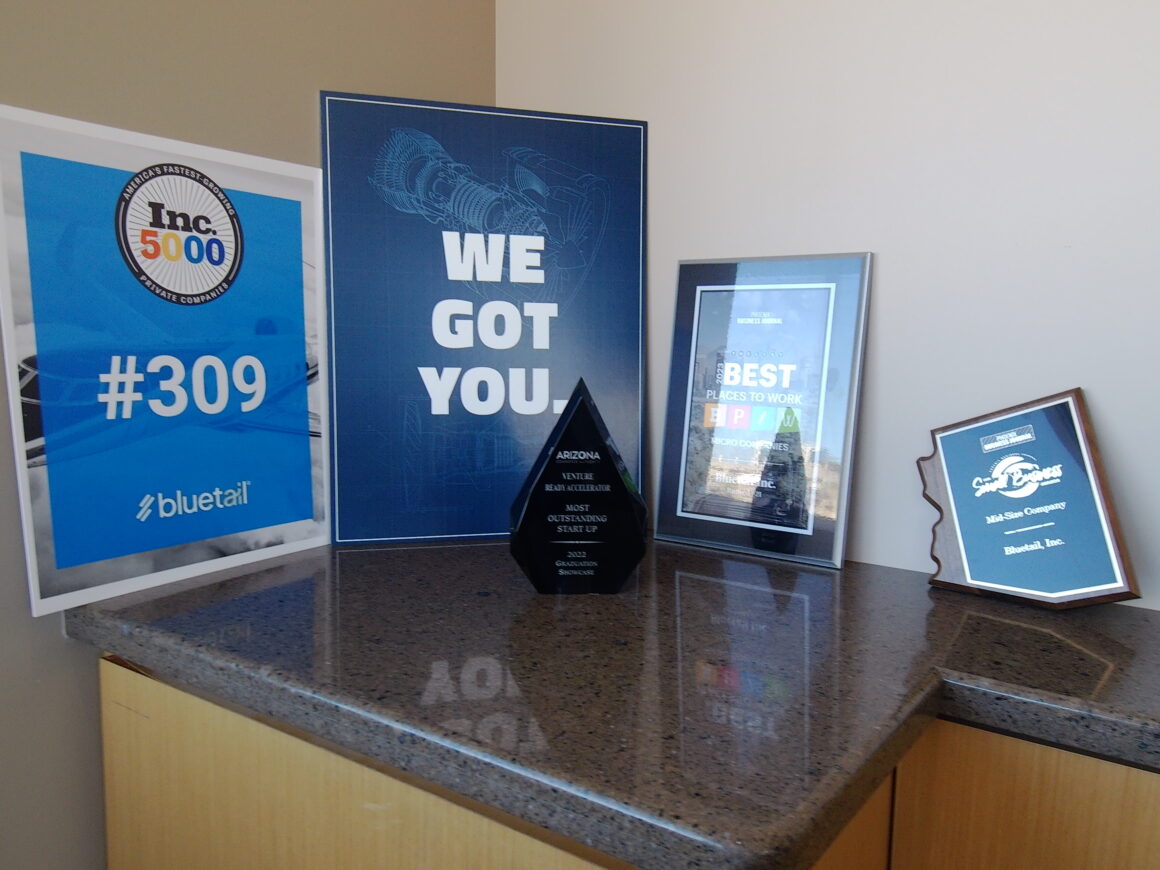
That restraint has paid off. Bluetail has scaled from roughly 600,000 aircraft records in its early days to 22 million aircraft records and counting, earning a spot at #309 on the 2025 Inc. 5000 a rare milestone for an aviation-focused SaaS company operating in a traditionally slow-moving sector.
Data, Carefully Unlocked
Digitization is only the first chapter. At scale, structured aviation data becomes increasingly valuable particularly for manufacturers, financiers, insurers, and operators seeking clearer historical context. Bluetail sees this as a long-term opportunity, one that only becomes possible once the underlying records are accurate, complete, and trusted.
Illian often describes the company’s evolution as customer-led rather than roadmap-driven. What began as a content management system purpose-built for aviation expanded organically as operators shaped what the platform needed to become.
Today, Bluetail’s foundation rests on what the team calls the four Ss—secure, store, search, and share—designed to create something “better than paper” without sacrificing rigor.
As Bluetail evolves, automation plays a supporting role not by replacing human judgment, but by accelerating access to the right information.
By structuring and surfacing aircraft history faster, the platform helps maintenance teams and operators make more informed decisions. Guerrieri describes this shift as moving from a system of record to a system of action.
But he is careful not to rush the future. “You earn the right to do more by getting the fundamentals right,” he said,
Why Arizona
Bluetail could have been built in Wichita, Dallas, or any traditional aviation hub. Instead, it was built in Arizona.
Guerrieri has spent more than a decade watching the state’s ecosystem mature. From early capital scarcity to a growing base of founders, operators, and investors capable of supporting long-cycle, infrastructure-level companies.
Bluetail reflects that evolution. Not flashy. Not loud. But durable. This is how ecosystems compound: experienced builders create serious companies, which in turn create the conditions for the next generation.
Belief as a Requirement
When asked what advice he gives founders attempting to transform entrenched industries, Guerrieri doesn’t talk about funding or features. He talks about belief.
“People will tell you it won’t work,” he said. “If you don’t believe in yourself, you become your own saboteur.”
In aviation, belief alone isn’t enough. It must be paired with patience, discipline, and respect for the system you’re entering.
As our conversation wrapped inside the hangar at Pinnacle Aviation, aircraft continued moving in and out—inspected, maintained, prepared for flight.
Bluetail’s work doesn’t change that rhythm. It strengthens it.