

Jennifer Conrad is the Founder, CEO, and Editor-in-Chief of Arizona Ascent, a media platform more than a magazine—uniting business, real estate, and community across Arizona. She builds brands and content that people remember, turning storytelling into strategy—and strategy into measurable impact.
Under her leadership, Arizona Ascent spotlights the leaders shaping Arizona’s future, positioning their work within the state’s broader momentum. Its stories don’t just inform—they elevate credibility, expand visibility, and connect leaders to the ecosystem that makes growth possible.
December brings the clarity the Valley has been waiting for
By Jennifer Conrad, Editor-in-Chief
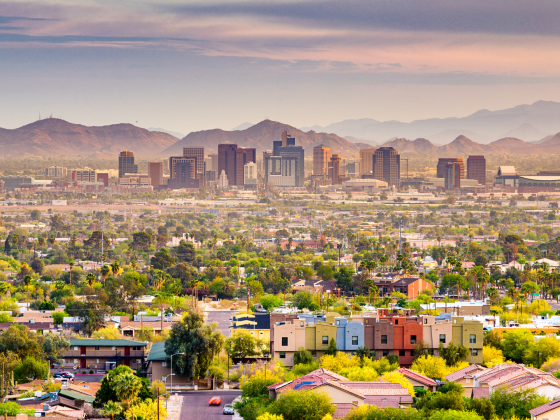
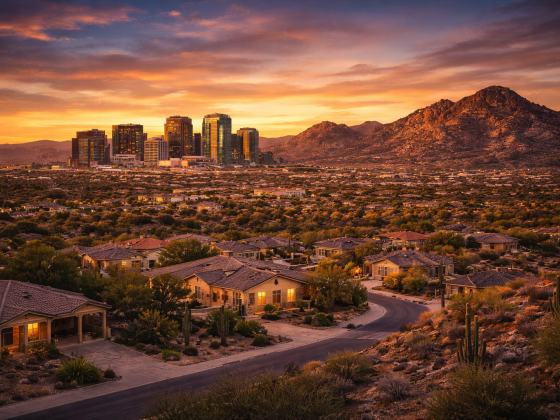
By the time December arrived, something unmistakable had settled over the Valley. After five years of market extremes—rising prices, tightening supply, shifting interest rates, and pandemic-reshaped migration—2025 was closing not with tension, but with calm. For the first time in half a decade, the Valley’s housing market felt steady. Predictable. Balanced.
That sense of equilibrium wasn’t anecdotal. It showed up clearly in the data. Seventeen cities across the region, from Avondale to Scottsdale and Gilbert to Cave Creek, ended the year with Market Action Index readings between 33 and 39. No spikes. No plunges. No dramatic swings. Instead, every corner of the Valley reflected a soft seller’s market—one rooted in stability rather than frenzy.
It was, in many ways, the most surprising ending to the year: a market that finally found its breath.

Five Years of Whiplash
To understand the significance of this moment, we have to acknowledge what Arizona has just lived through.
The buying wars of 2020 and 2021 redefined urgency. Interest rate fluctuations in 2022 and 2023 forced countless buyers and sellers into holding patterns. By 2024, the market felt suspended—waiting for direction, for clarity, for momentum.
Then came 2025, a year that unfolded more quietly than expected. Instead of dramatic headlines, we witnessed recalibration. Instead of unpredictable swings, we saw alignment. And in December, the full picture revealed itself: a market that had stitched itself back together.
Prices plateaued, not because demand disappeared, but because the market had reached a sustainable tension point. Inventory steadied. Days on market normalized. The frenzy cooled into intention. The panic softened into perspective. Arizona wasn’t stalling. Arizona was stabilizing.
One Valley, Seventeen Micro-Markets
Although the region moved in harmony this December, the Valley is far from monolithic. Arizona’s housing landscape is made of micro-markets—each shaped by its own values, pace, and identity.
The East Valley’s Quiet Strength
Gilbert, Chandler, and Mesa remained pillars of demand. Their December stability reflects something deeper than market mechanics: these communities have become economic anchors, drawing families, tech talent, and long-term residents who value infrastructure, schools, and lifestyle.
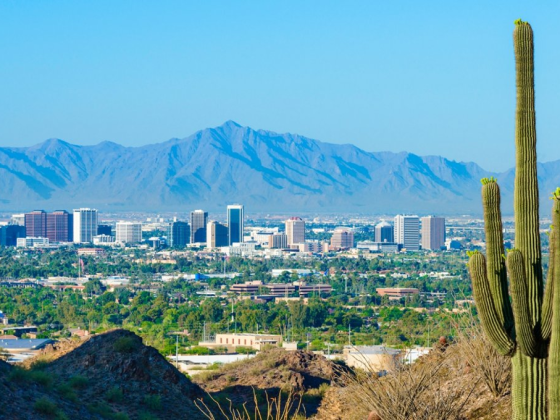
Phoenix as the Center of Gravity
Phoenix closed the year as the market’s metronome. Its broad inventory and diverse pricing allowed it to absorb pressure and balance the surrounding region. When Phoenix steadies, the Valley steadies—and December proved that.
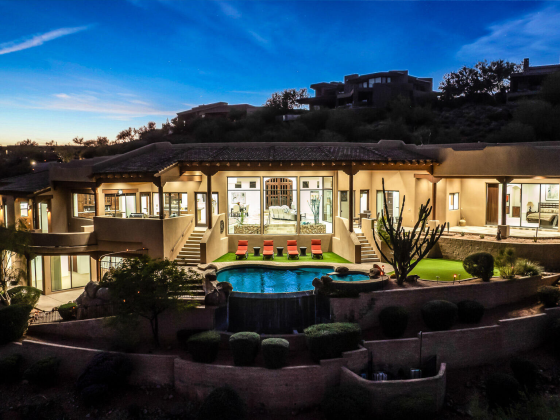
In Scottsdale, Fountain Hills, and Cave Creek, movement slowed by choice, not by weakness. Luxury buyers in 2025 behaved differently than they did five years ago. They moved with precision, not urgency.

The West Valley’s Expanding Horizon
Meanwhile, Buckeye, Goodyear, Surprise, and Tolleson continued to evolve as Arizona’s growth frontier. New construction defined their skylines all year, and December’s data shows these markets settling into their next chapter: sustainable expansion shaped by long-term population growth.
The Power of the Plateau
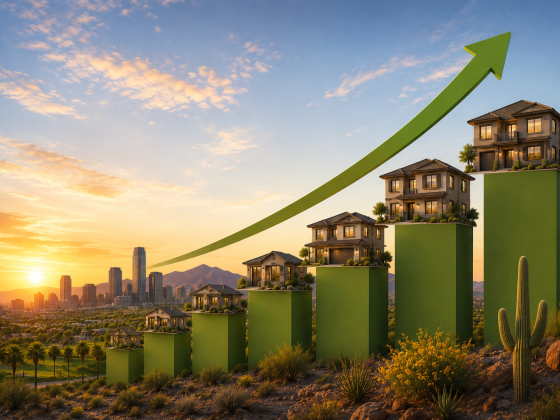
On paper, a plateau can seem uneventful. Prices flat. Movement consistent. Index readings stable. But in real estate, plateaus are moments of profound importance. They signal that a market has caught up with itself—that supply and demand have reached momentary agreement. December’s plateau isn’t a pause. It’s a foundation. It means that Arizona has finally shed the reactionary patterns of the past five years. It means buyers and sellers can make decisions from clarity, not fear.

What December Foreshadows for 2026
If equilibrium defined the end of 2025, then alignment sets the stage for 2026. With all seventeen markets operating within the same temperature band, the year ahead is poised to unfold with more predictability than we’ve seen since before the pandemic. We can expect moderate appreciation rather than aggressive spikes. The East Valley will continue to anchor demand. The West Valley will grow into its role as the region’s expansion corridor. Luxury will remain steady and selective. And Phoenix will continue shaping the Valley’s macro rhythm. Most importantly, Arizona enters the new year with confidence—a market grounded rather than guessing.
A Turning Point Worth Paying Attention To
As this year comes to a close, I find myself returning to one simple truth: stability is not lack of movement. Stability is strength. It is the soil in which responsible growth takes root. As 2026 begins, the Valley isn’t guessing its direction. It’s moving forward with clarity, and that clarity will guide the market’s next phase.


13 comments
References:
Casino phoenix neoclassical.space
References:
New orleans casinos nomadwiki.space
References:
Comeon casino gratisafhalen.be
References:
Online slot machines etuitionking.net
References:
Casino770 com pitts-jonasson-3.mdwrite.net
References:
Instant Casino Willkommensbonus
References:
firsturl.de
References:
New casino nutritionwiki.space
References:
William hill live casino adrestyt.ru
References:
Batavia downs casino firsturl.de
References:
No download slots forum.exciteme.ca
References:
Instant Casino anmelden
References:
uchkombinat.com.ua
References:
Northern quest casino 24propertyinspain.com
References:
Ohkay casino bookmark4you.win