

Jennifer Conrad is the Founder, CEO, and Editor-in-Chief of Arizona Ascent, a media platform more than a magazine—uniting business, real estate, and community across Arizona. She builds brands and content that people remember, turning storytelling into strategy—and strategy into measurable impact.
Under her leadership, Arizona Ascent spotlights the leaders shaping Arizona’s future, positioning their work within the state’s broader momentum. Its stories don’t just inform—they elevate credibility, expand visibility, and connect leaders to the ecosystem that makes growth possible.
By Ava Marie LaMonica ,Senior Editor
In Southern Arizona, filmmaking is more than an art form; it’s an act of reclamation, resilience, and community. For two producers who began their journey as writers and visual storytellers, cinema has become a way to give voice to communities too often left out of mainstream narratives.
“Storytelling has always been at the core of who we are,” they explain. “It’s how we, as a community, process identity, culture, borders, and belonging.”
Both originally from Mexico, they’ve brought that perspective into their work in Tucson and across Southern Arizona, shaping stories rooted in cultural authenticity. But their mission has grown beyond personal projects. Today, their work is about opening doors for the next generation, creating space where young, underrepresented filmmakers can develop their voice and see themselves reflected on screen.
Tucson as a Creative Epicenter
Southern Arizona is not just a backdrop; it’s a lifeline for their art. The region itself, with its sweeping desert landscapes and tight-knit artistic networks, has fueled their vision.
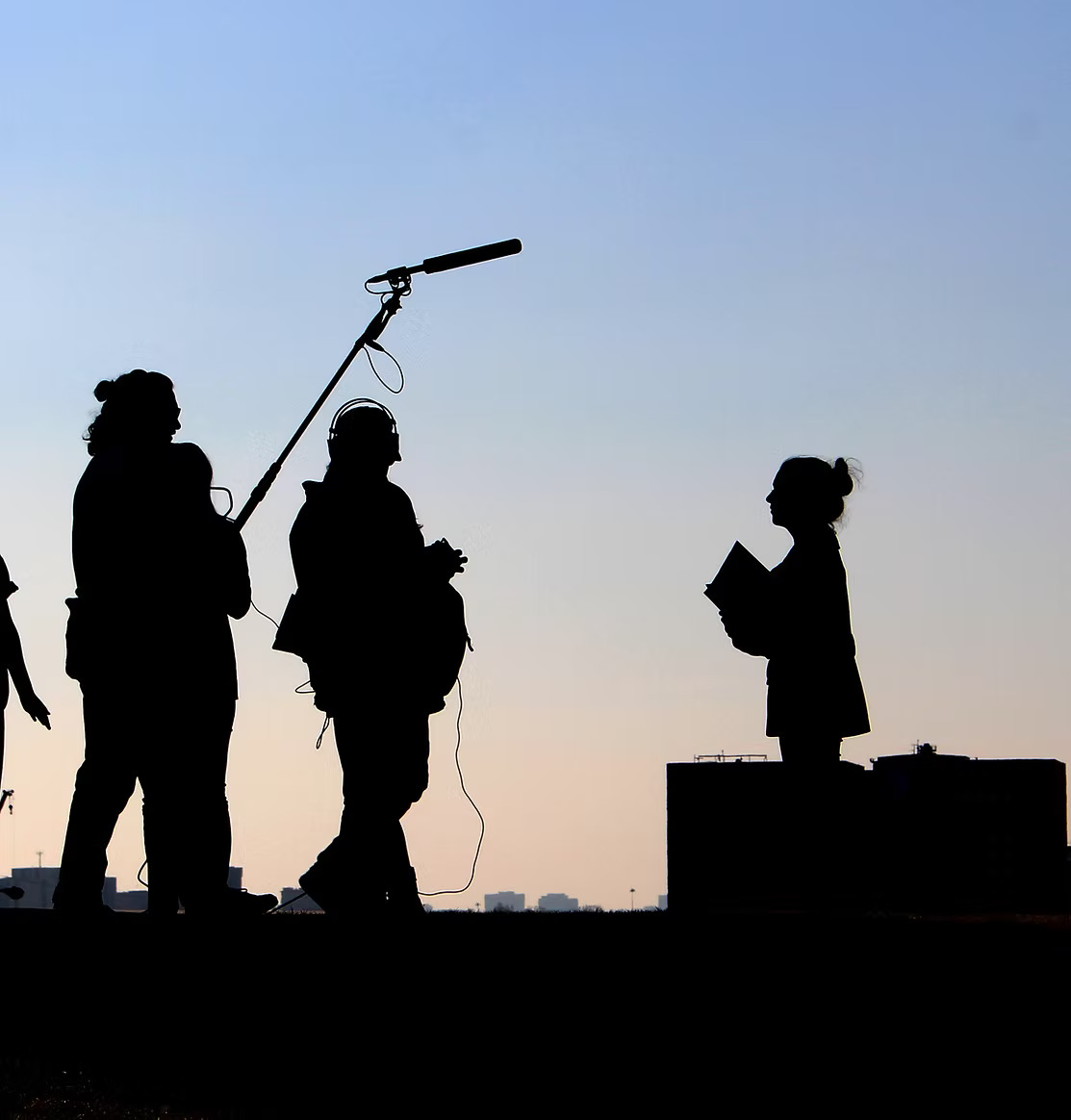
“Filmmakers here are resilient, creative, and deeply connected to tradition and culture,” they say. “Everyone knew from the beginning that this cause mattered. Whether it was lending locations, mentoring students, or showing up for community screenings, Tucson has shown us that film here is truly a collective act.”
This collaborative spirit has allowed them to turn limited resources into opportunities, reminding them that cinema thrives when it is rooted in community.
The Untapped Beauty of the Borderlands
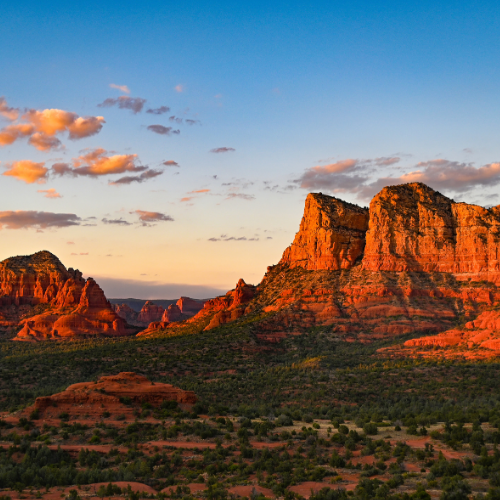
Ask them about filming in Southern Arizona, and their eyes light up. The Sonoran Desert, golden hour skies, and bustling streets provide an authenticity they believe can’t be replicated anywhere else.
“You can shoot on a sidewalk in Tucson all day, and nobody will bat an eye,” they note. “That’s a huge difference from places like Los Angeles or New York where you need a permit just to walk with a camera.”
Yet, despite these advantages, they see the region as underutilized. Too often, filmmakers attempt to replicate L.A. instead of embracing the distinctive beauty of the borderlands.
Film Festivals as Cultural Bridges
For them, film festivals are more than showcases – they are catalysts for cultural exchange.
“Local festivals are the heartbeat of a regional film community,” they explain. “They’re where emerging voices find their first audiences and where artists connect.”
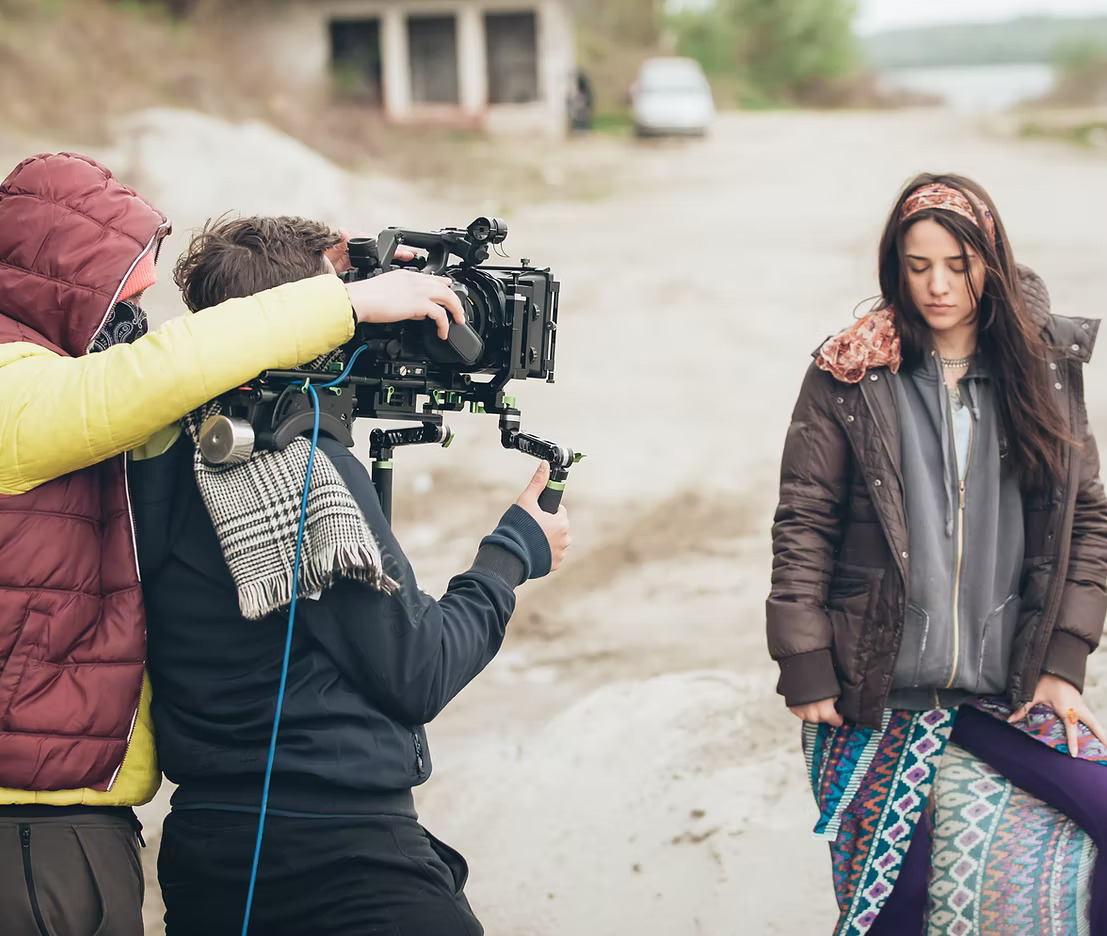
Through their work with the Nogales International Film Festival, they’ve elevated that idea into something even more powerful. By projecting films on both sides of the U.S.–Mexico border wall, they’ve turned the festival into a unifying event, redefining how cinema can bring people together.
Collaboration Over Competition
At the core of their philosophy is collaboration. They reject the idea of competition in art, instead advocating for a shared ecosystem of trust, resources, and mentorship.
“Our own greatest partnership has been with Film Tucson who have been instrumental in shaping not just our projects, but the programs we offer, mentorships, workshops, screenings, all with the goal of empowering others and creating an ecosystem of support.”
This approach has created an environment where creatives uplift one another, making Southern Arizona a rare model of cooperative filmmaking.
Challenges and Resilience
Of course, building an independent film movement comes with obstacles. Limited infrastructure and financial resources remain constant hurdles.
“Keeping programs free is actually quite expensive,” they admit. “We rely on partnerships, donations, and community support to keep accessibility alive. Every challenge has forced us to stay adaptable and focused on the bigger picture.”
And yet, those very limitations have fostered innovation. In Southern Arizona, filmmaking thrives not because it’s easy, but because the community refuses to let it die.
Advice for Emerging Filmmakers
Their message to new filmmakers is simple but urgent: start now.
“Begin with what’s close to you—your story, your neighborhood, your family, your culture,” they say. “Don’t wait for permission or the perfect moment. Stop talking about making films and start making films. Even if it’s with your phone.”
They emphasize the importance of asking for help, offering resources, and building networks.
“Your voice matters, our voice matters, and the world needs to hear it,” they add.
A Borderlands Renaissance
By amplifying underrepresented voices, embracing collaboration, and using their unique landscape as both subject and stage, these filmmakers are reshaping the indie film scene in ways that ripple far beyond Tucson.
And in doing so, they remind us that sometimes the most powerful stories are born not in Hollywood, but in the desert, under a borderland sky.


6 comments
References:
Casablanca casino https://argrathi.stars.ne.jp:443/pukiwiki/index.php?secherknight587201
Thanks ery ijteresting blog!
my wepage :: txxxvideos.com
References:
Toy slot machine esbensen-sherwood-2.thoughtlanes.net
References:
Europa casino ricetteclara.com
References:
Instant Casino Freispiele
References:
bookmarkzones.trade
References:
Schecter blackjack atx instapaper.com