
Why this year’s tax changes reward preparation, and why Arizona taxpayers stand apart.
For many Americans, tax season is a compliance exercise: gather documents, file, move on. But for Arizona residents in 2026, filing blind versus filing strategically could mean the difference between leaving money on the table and keeping thousands more in your pocket.
This year marks one of the most consequential tax seasons in recent memory. Major federal changes are reshaping how refunds are delivered and how income is taxed, while Arizona continues to offer some of the most powerful state tax credits in the country. Together, these shifts reward taxpayers who understand the rules, and act intentionally. Here’s what Arizonans should know as they prepare to file their 2025 returns.
The End of Paper Refund Checks
A quiet but significant shift is underway at the IRS: paper refund checks are being phased out. Beginning with 2025 tax returns, most refunds will be issued through direct deposit or other electronic payment methods. The move is designed to reduce fraud, eliminate delays, and prevent lost or stolen checks, problems that have long plagued paper refunds.
A Bigger Standard Deduction
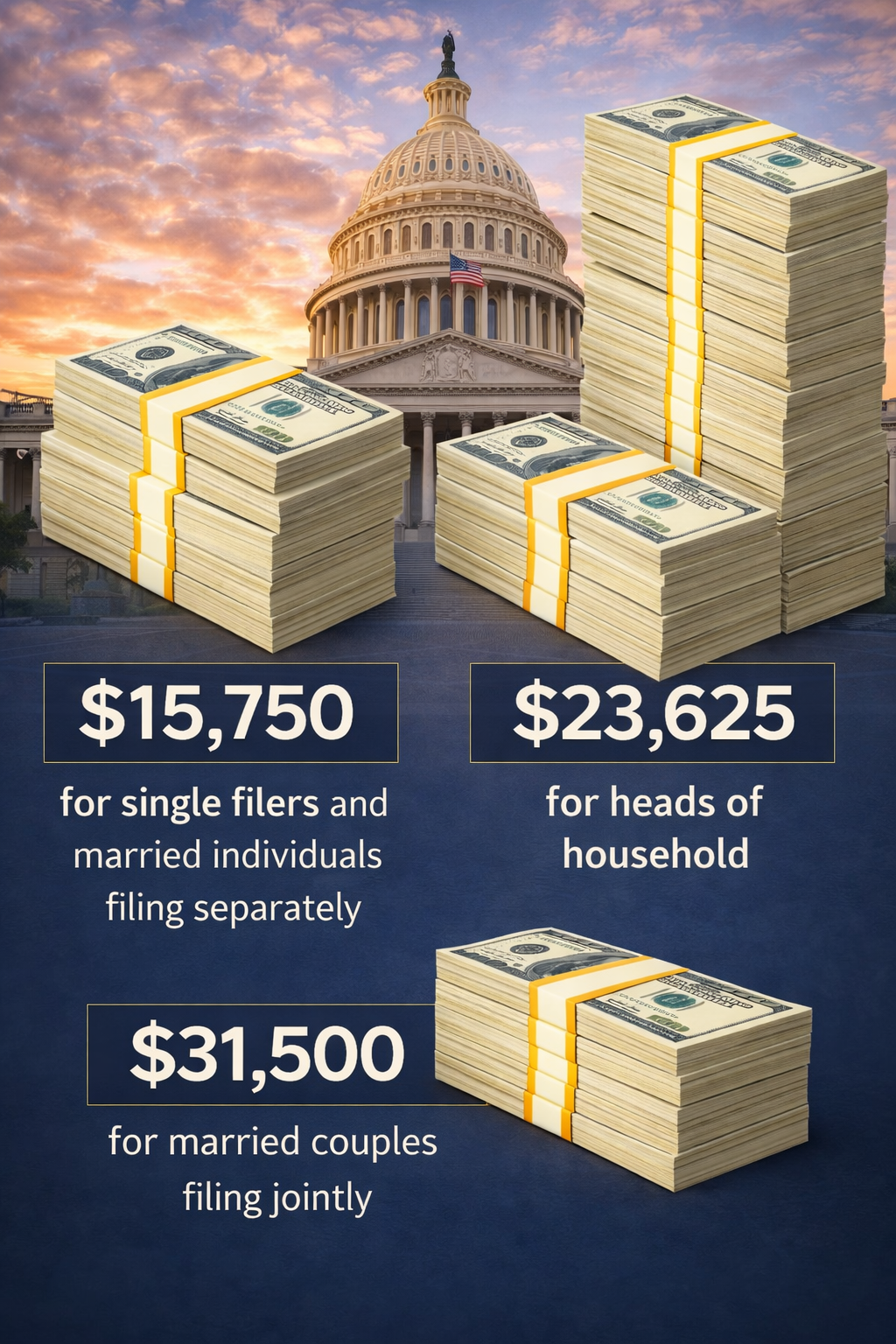
One of the most impactful changes this year is the increase in the federal standard deduction. Thanks to the One Big Beautiful Bill passed in mid-2025, deduction amounts for the 2025 tax year have risen to:
- $15,750 for single filers and married filing separately
- $23,625 for heads of household
- $31,500 for married couples filing jointly
For many Arizona households, this means more income is shielded from taxation before calculations even begin simplifying filing and reducing taxable income without the need to itemize.
For many Arizona households, this means more income is shielded from taxation before calculations even begin simplifying filing and reducing taxable income without the need to itemize.
Expanded Relief for Seniors
Taxpayers age 65 and older receive an additional layer of relief.Eligible seniors can claim an extra $6,000 per person on top of the standard deduction. For a married couple, that can mean up to $12,000 more excluded from taxable income.
While this benefit phases out at higher income levels, it provides meaningful support for retirees navigating fixed incomes, rising healthcare costs, and inflation.
No Tax on Tips
For Arizona’s service and hospitality workforce, a long-discussed proposal has become reality.From 2025 through 2028, eligible tipped workers can deduct up to $25,000 in tip income from their federal taxable income—whether they are employees or self-employed, as long as tips were properly reported.
For restaurant servers during peak tourism season or hotel staff working long shifts, this change can translate into substantial tax savings. The deduction gradually phases out at higher income levels, but for many workers in one of Arizona’s largest industries, it represents a meaningful shift.

A New Break on Overtime Pay
Workers who logged extra hours in 2025 may also benefit. Under the new rules, taxpayers can deduct the premium portion of overtime pay—the additional “half” in time-and-a-half earnings—from taxable income. The deduction is capped at $12,500 for single filers and $25,000 for married couples filing jointly, with income-based phase-outs.
For healthcare workers, manufacturers, first responders, and others whose schedules routinely extend beyond forty hours, this provision rewards extra effort with real financial relief.
Dollar-for-Dollar Tax Credits
While federal changes dominate headlines, Arizona continues to offer something rare: the ability for taxpayers to decide exactly where their tax dollars go. Arizona’s dollar-for-dollar tax credits allow residents to reduce their state tax bill while directly supporting local schools and community organizations. Eligible credits include donations to:

- Public and Charter Schools: Up to $200 (single) or $400 (joint) for extracurricular programs.
- Qualified Charitable Organizations: Up to $495 (single) or $987 (joint) for organizations serving low-income communities.
- Qualified Foster Care Organizations: Up to $618 (single) or $1,234 (joint)
- Private School Tuition Organizations: Combined credits exceeding $1,500 for singles and $3,000 for couples
Unlike deductions, these credits reduce Arizona taxes owed one dollar for every dollar donated, up to generous limits. Contributions made as late as April 15, 2026, can still apply to the 2025 tax year—making them one of the most powerful planning tools available.
Justin Quen, Arizona Ascent Tax Editor, is a Scottsdale native, licensed CPA, and graduate of the University of Arizona, where he earned his Master’s degree in Accounting. As the founder of his own accounting and tax practice, Justin works closely with individuals and small business owners, offering personalized services tailored to each client’s needs. His mission is to make expert financial advice more accessible to the Arizona.