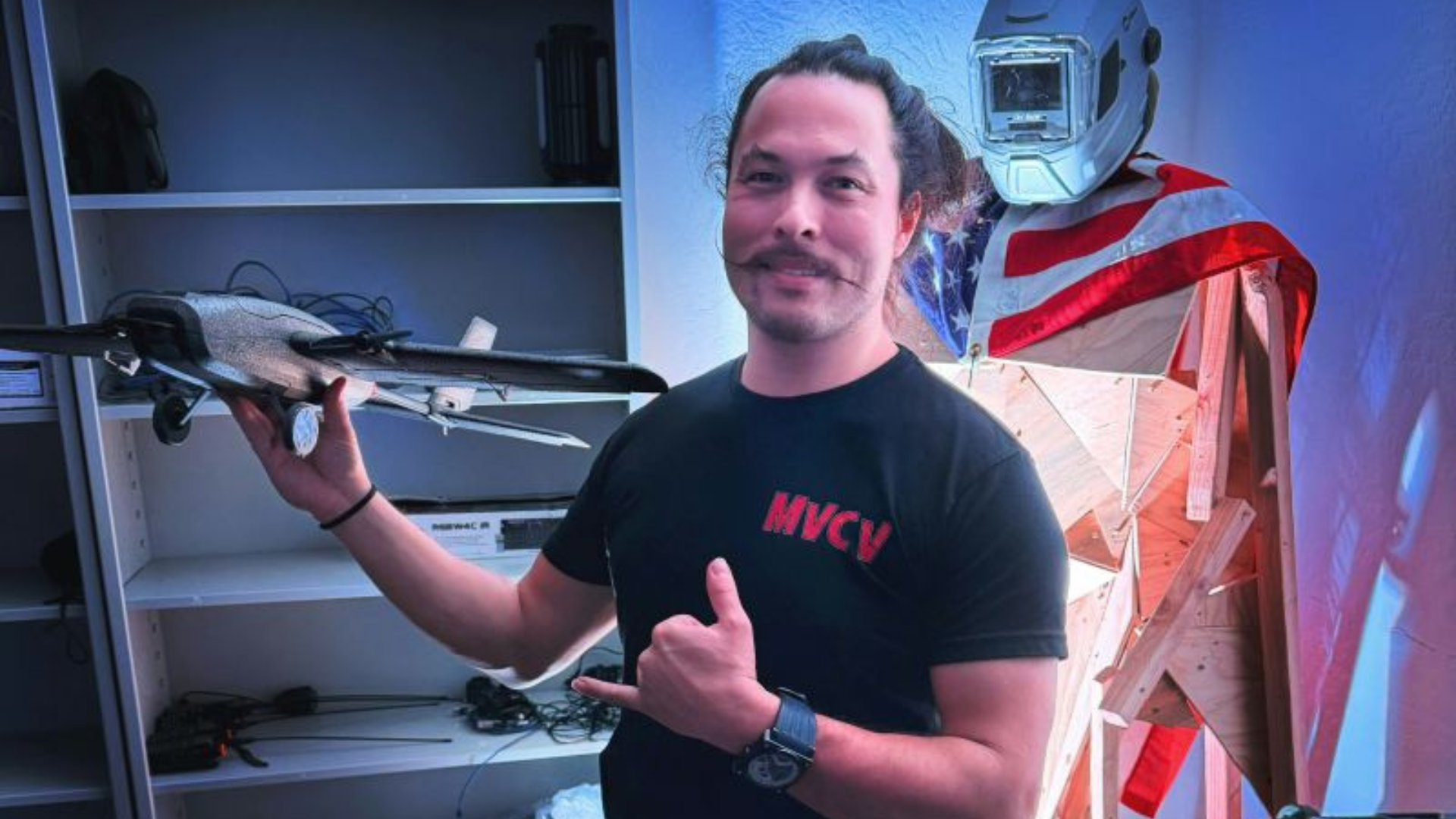
Clay Richardson Builds More Than Machines—He Builds Community

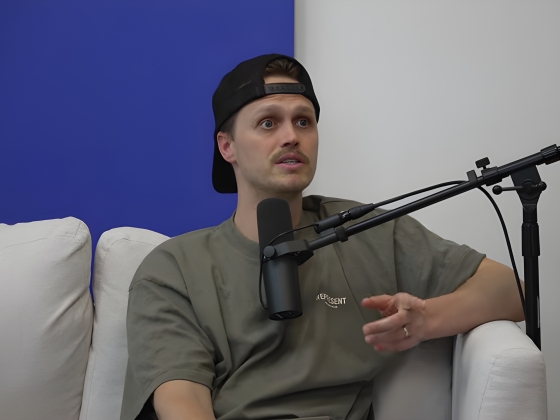
Before the desert sun ever touched Clay Richardson’s workshop in Tempe, he was a 21-year-old in a Berkeley frat house, sleeping on a mattress in the corner, surrounded by coders and makers. Armed with $400, a duffel bag, and a burning curiosity, he dropped out of college and dove headfirst into the world of startups.
“I taught myself hardware and software before I had dial-up internet,” Clay recalls, eyes lighting up. “I was building circuits from a robotics kit for Christmas and learning P-Basic on a microcontroller. Before I could walk, I was using using computers. Before I could read, I was devouring Popular Science and Popular Mechanics. That’s where it all started.”
Clay’s upbringing in Kaufman, Texas, shaped both his curiosity and resilience. His father, a Vietnam veteran, had worked on missile guidance systems at Texas Instruments; his mother, of Filipino heritage, instilled a quiet stubbornness and drive to succeed. From this mix, Clay developed a dual identity: one foot in software, one foot in hardware, always reaching for the frontier where the two intersect.
“Business doesn’t have to be spreadsheets and greed,” he says. “You can run a company empathetically. You just have to be in front, making it happen.”
Finding a Home in Arizona
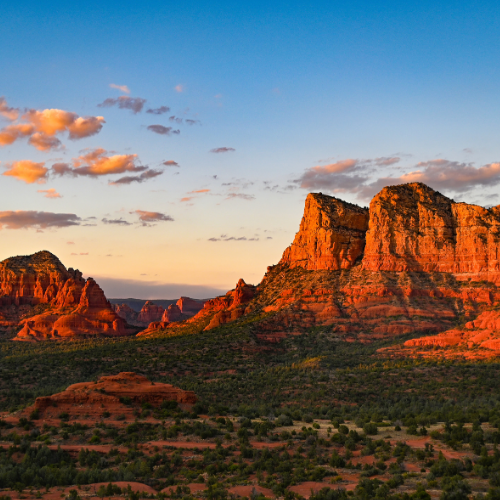
After 15 years navigating Silicon Valley’s frenetic tech scene, Clay sought a new landscape—one that combined space, community, and opportunity. Arizona called to him. The heat, the growth, the openness of the desert—it was the perfect canvas for his vision.
“I spent months living in Airbnbs, exploring neighborhoods, overlanding with a laptop and Starlink,” he says. “The desert is my favorite place—especially the smell of rain in winter and spring. It’s quiet, expansive, inspiring.”
But the local maker scene was fragmented. Artists were cliquey. Engineers were siloed. Fire art, which Clay also creates, had no place in traditional studios. Industrial real estate was prohibitively expensive. So he decided to build his own ecosystem. A community where builders, engineers, and entrepreneurs could thrive together: Startup Central.
The Birth of Startup Central
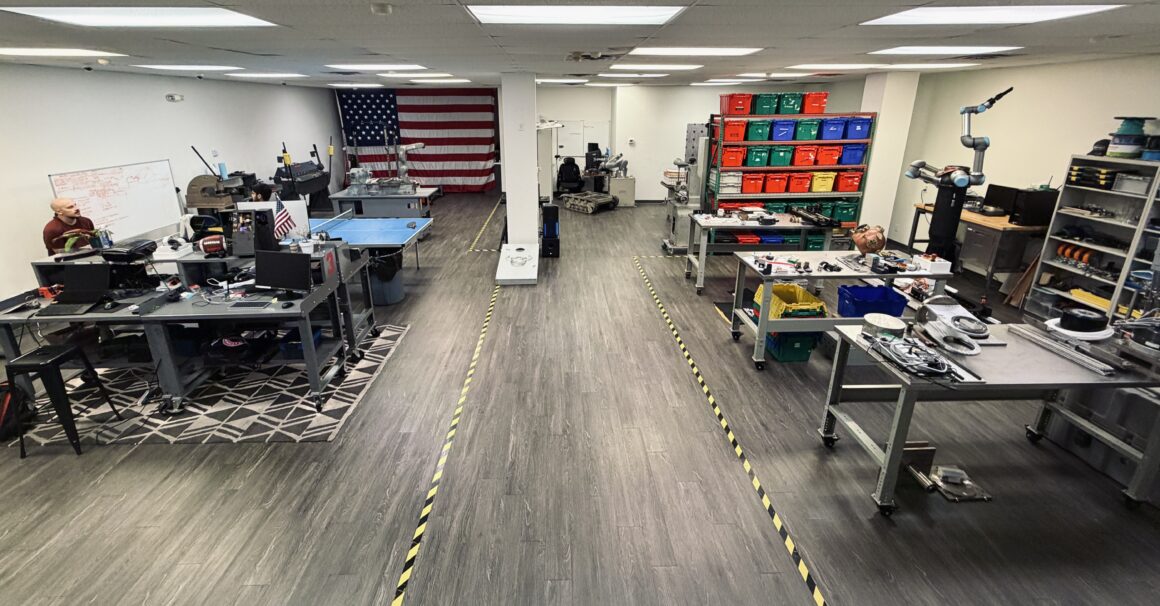
He and his team opened a 6,800-square-foot prototyping facility in Tempe, designed to bridge gaps in Arizona’s hard tech scene. It’s mission is ambitious: accelerate startups, nurture innovation, and re-industrialize America—one CNC machine, one fire sculpture, one autonomous drone at a time.
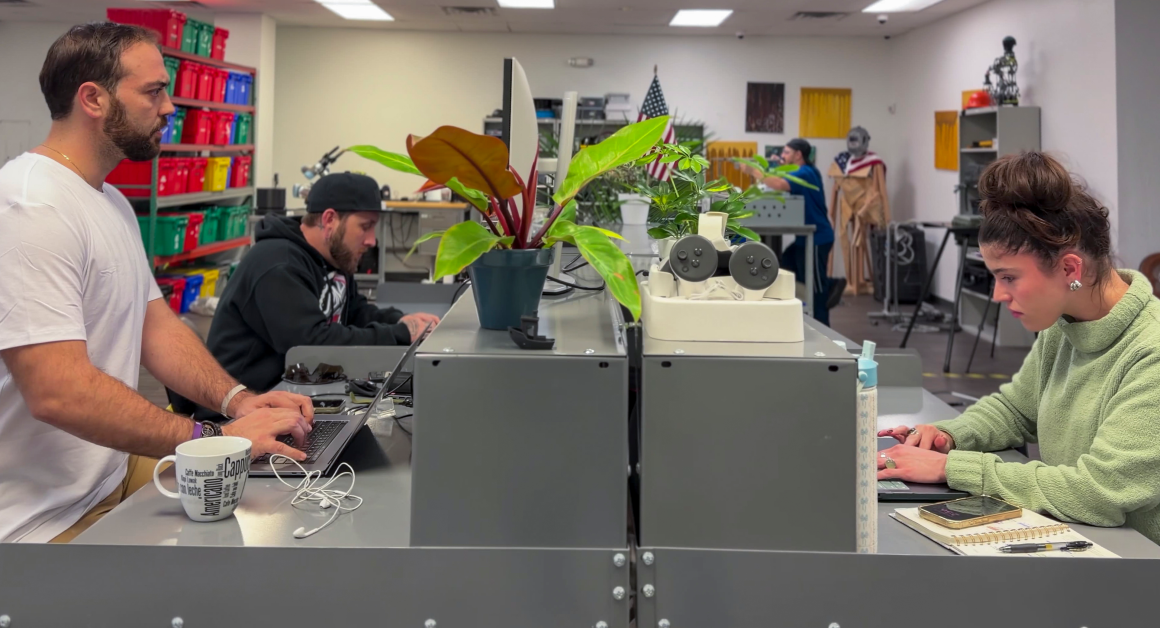
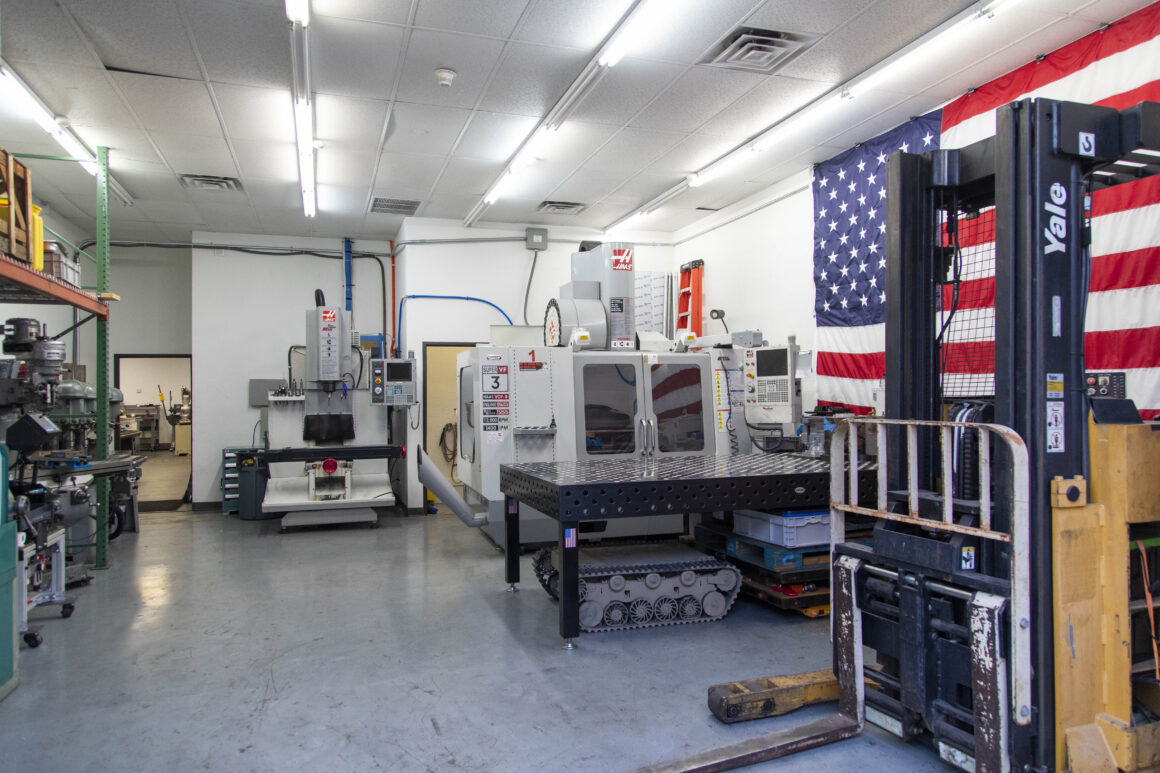
Inside, the space hums with activity. CNC machines whir. Sparks fly from welding tables. Makers bend sheet metal on finger brakes while software engineers program AI-driven tools. The smell of molten metal blends with the desert air drifting through open garage doors.
Clay smiles as he watches teams collaborate. “The sum of the parts is greater than the whole,” he says. “When you have the right mix of creative and technical people, magic happens.”
Making the Impossible, Possible
Startup Central isn’t just a workspace; it’s a launchpad. Founders get access to equipment and expertise that would otherwise be out of reach. Staff members are certified to train newcomers on complex machines safely, from Haas CNC machines to prototyping rigs. Once trained, members can take that certification into industry jobs or continue developing their own innovations.
Clay’s approach is hands-on and holistic. “If something needs to be made, I should help make it happen,” he says. This philosophy extends beyond tools. The facility hosts startups like:
- SkyBourne Aerospace – Autonomous drones for wildfire response and first responders.
- Morphist.AI – Privacy-forward AI chatbots giving users full control over their data.
- All Systems Go – AI-powered filmmaking ecosystems turning directors into mission control.
- Defense Company One & Northern Signal Ops – Developing advanced defense and drone detection technologies.
Even semiconductor entrepreneurs find a home here. Startup Central is building a network of university-scale lithography labs for rapid prototyping of custom silicon and photonic chips.
“You can verify a chip from design to production with x-ray analysis, ensuring security and fidelity,” Clay explains. “It’s about making hardware accessible, cheaper, and faster for innovators.”
Scaling Dreams in the Desert
Following early success, Startup Central is preparing to scale tenfold, expanding into a 62,000-square-foot facility. Alongside the Series A funding round, Clay is leading the growth of an industrial accelerator, co-working spaces, and AI-powered R&D labs—all designed to foster Arizona’s hard tech ecosystem.
“The desert offers space, affordability, and potential,” he says. “But innovation needs activation energy. That’s what Startup Central provides.”
The facility also trains future talent. Students and early-career engineers gain real-world experience, learning advanced manufacturing techniques while maintaining ownership of their creations. It’s a blend of workforce development and startup acceleration rarely seen anywhere in the U.S.
Lessons from the Valley
Clay’s Silicon Valley experience informs every decision. “Investors often follow the first domino. If you convince one, the rest come,” he explains.“We apply that to founders, giving them the tools, capital, and community to move at the speed of their ideas.”His advice to aspiring entrepreneurs is simple and stark:“Do not be afraid of greatness. Avoid cowering in the shadow of your own potential.” Push boundaries, communicate ideas, and take momentum seriously. At Startup Central, the ecosystem is designed to turn those ambitions into tangible creations—from AI-powered chatbots to autonomous drones, fire sculptures to semiconductor chips.
A Vision for Arizona and Beyond
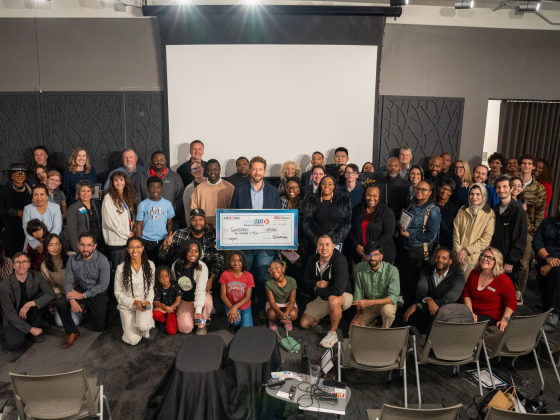
Startup Central isn’t just a workspace or an accelerator. It’s a community builder, a workforce incubator, and a catalyst for Arizona’s industrial renaissance. From the desert sun streaming into welding bays to the hum of CNC machines, the space embodies a philosophy of empowerment: provide tools, guidance, and opportunity, and innovation will flourish.
For Clay Richardson, the journey continues. From a small town in Texas to Silicon Valley hacker houses to the deserts of Arizona, he’s chasing one goal: to give creators the space to make the impossible, possible.