
Jennifer Conrad is the Founder, CEO, and Editor-in-Chief of Arizona Ascent, a media platform more than a magazine—uniting business, real estate, and community across Arizona. She builds brands and content that people remember, turning storytelling into strategy—and strategy into measurable impact.
Under her leadership, Arizona Ascent spotlights the leaders shaping Arizona’s future, positioning their work within the state’s broader momentum. Its stories don’t just inform—they elevate credibility, expand visibility, and connect leaders to the ecosystem that makes growth possible.
By Jennifer Conrad, Managing Editor

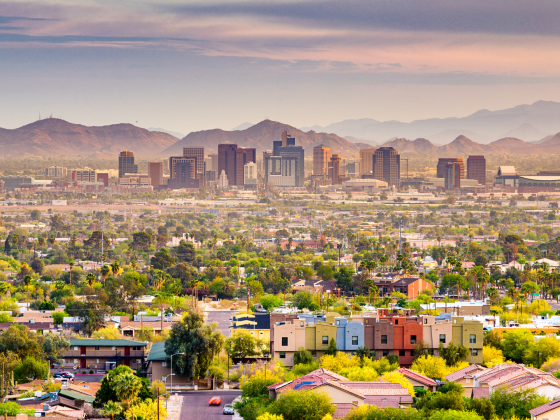
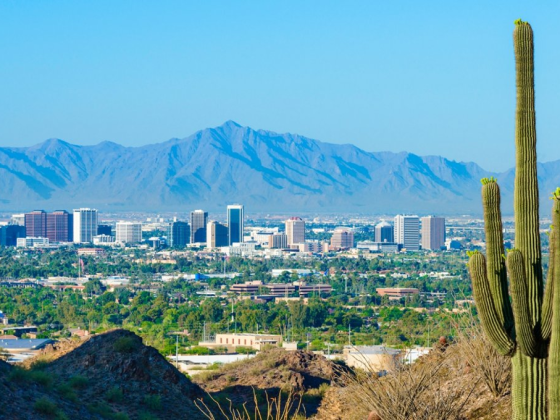
The sun-baked Phoenix-Mesa-Chandler metro area is cementing its status as a premier destination as hordes of new resident’s flock to the region. According to the latest U.S. Census Bureau data, the Phoenix metro ranked 4th nationally in nominal year-over-year population growth, welcoming 54,916 new residents. This 1.0% growth rate placed it 14th among all major U.S. markets with over 1 million residents, underscoring the breakneck pace of its expansion.
Cushman & Wakefield’s analysis of the U.S. Census Bureau’s latest data highlights vital trends affecting commercial real estate, with some notable surprises and new patterns emerging. The Phoenix-Mesa-Chandler Metro ranked No. 14 of every primary market (population over 1 million) in the U.S. with a Percentage Growth YoY of 1.0% and was No. 4 with a Nominal Growth YoY.
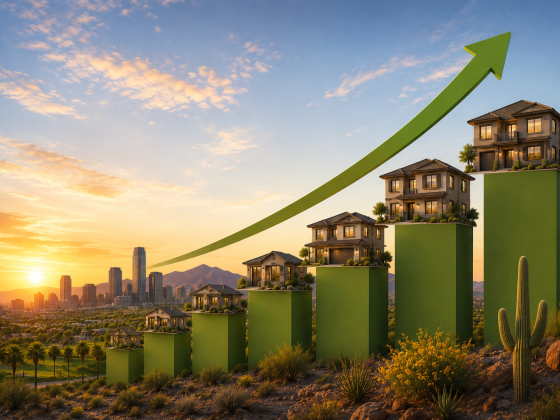
This explosive population influx ignites the local real estate market, putting immense pressure on home prices and rents. As of April 1st, active listings in the broader ARMLS market grew 22% year-over-year, indicating increased inventory. However, this growth was relatively modest at just 2.8% from the prior month, suggesting the market is not yet oversupplied.
Demand appears to be weakening, with pending and under-contract listings declining. Total monthly sales were down 12% year-over-year, though they did rise 17% from the prior month, hinting at some revival in demand, though still below normal levels.
The Phoenix real estate market prices are steadily increasing, with the median sales price up 6% year-over-year. The market is described as ‘insipid’, indicating stability and a predictable trajectory. This should instill confidence in investors and developers, despite the low volumes compared to historical norms.
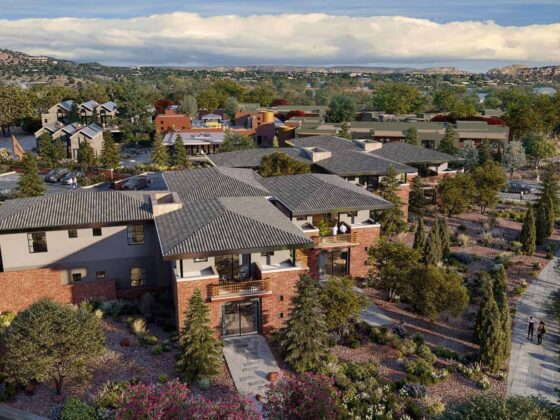
The surge of new residents is especially fueling demand for master-planned communities in the Phoenix metro. These large-scale, amenity-rich developments cater to young families and retirees, offering a compelling blend of suburban living with easy access to the urban core.
The opportunities in this rapidly expanding market are abundant for real estate investors and developers. The surge of new arrivals to the Phoenix area is creating a high demand, presenting a promising potential for growth. It’s crucial to act swiftly to capitalize on these opportunities and foster a sense of optimism